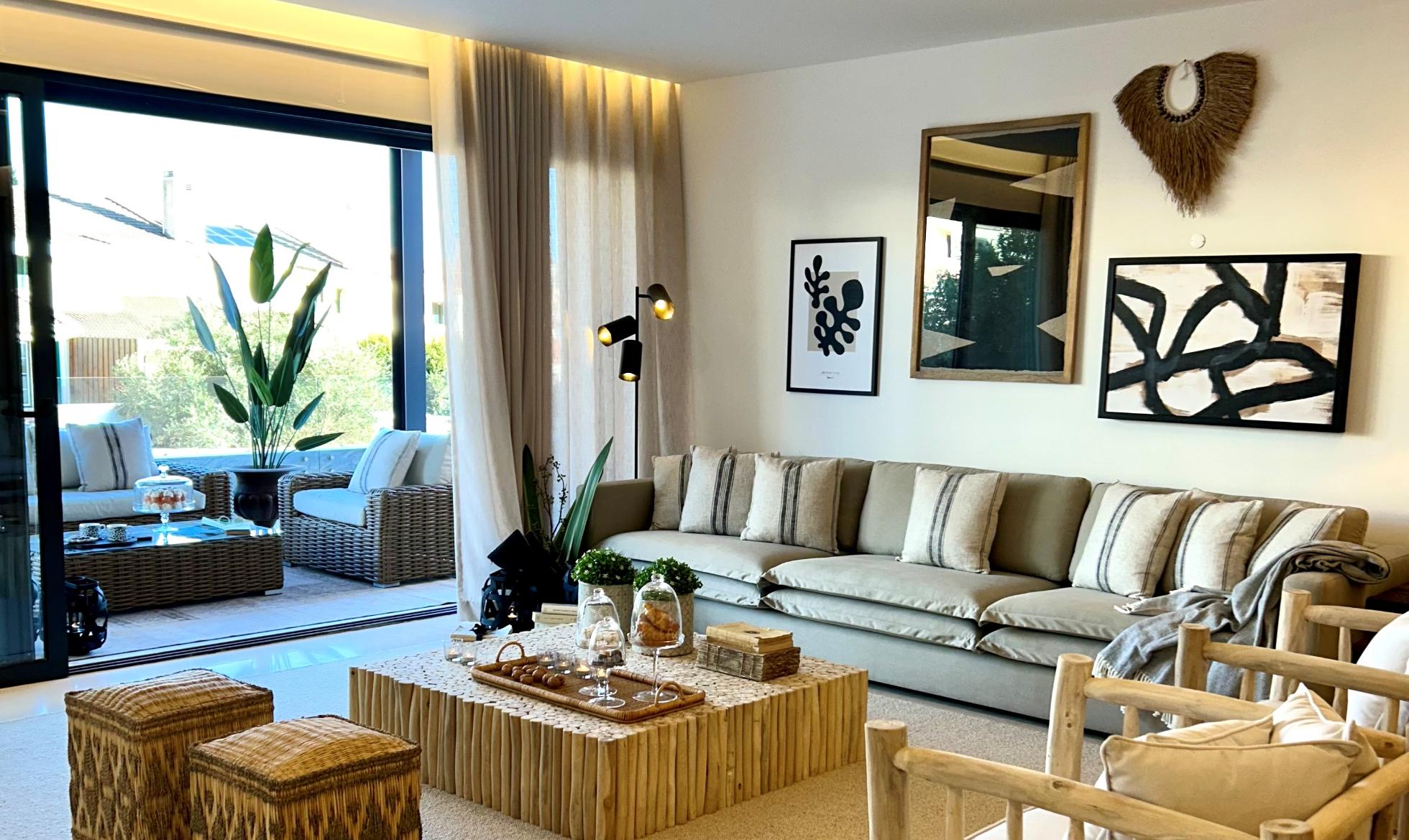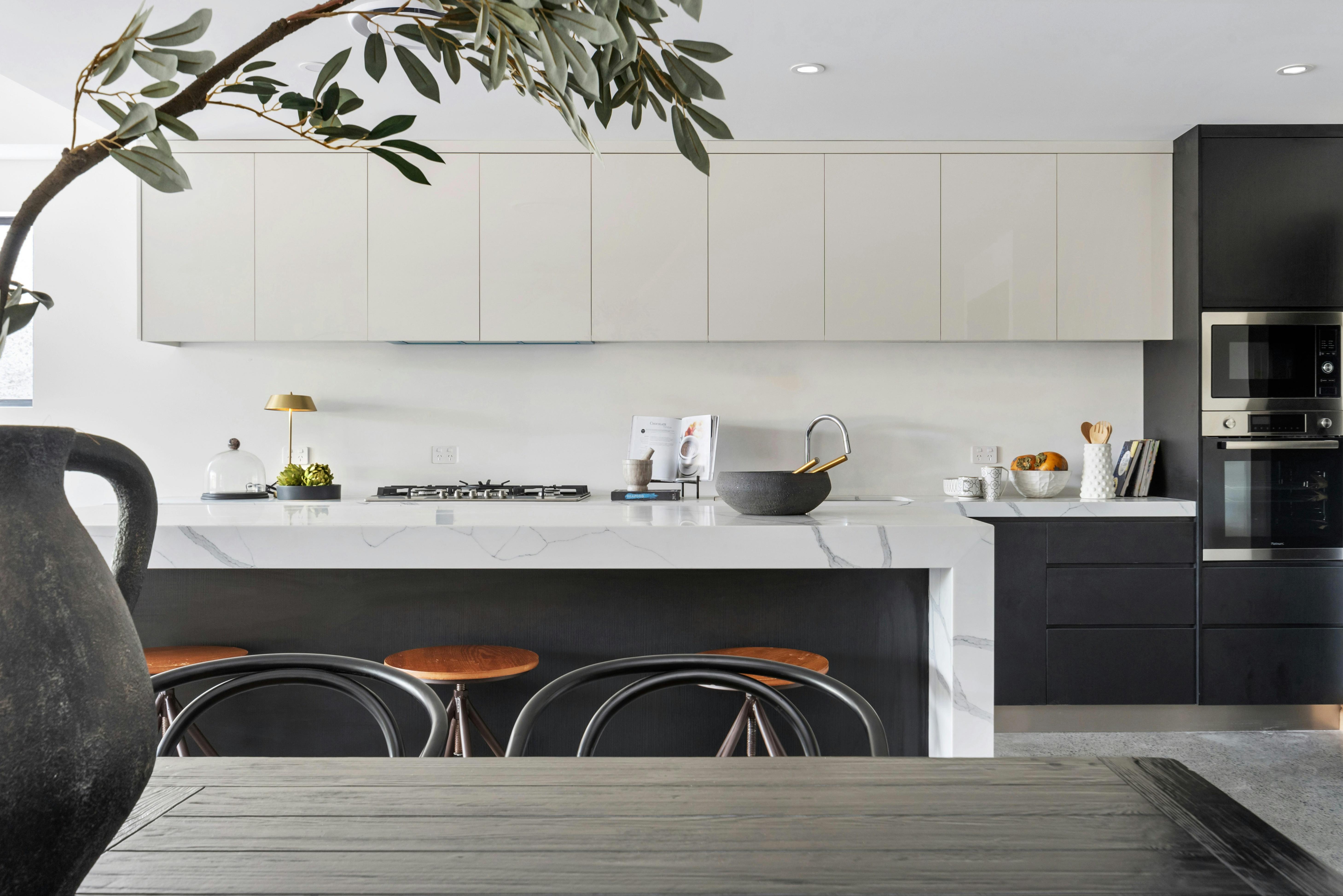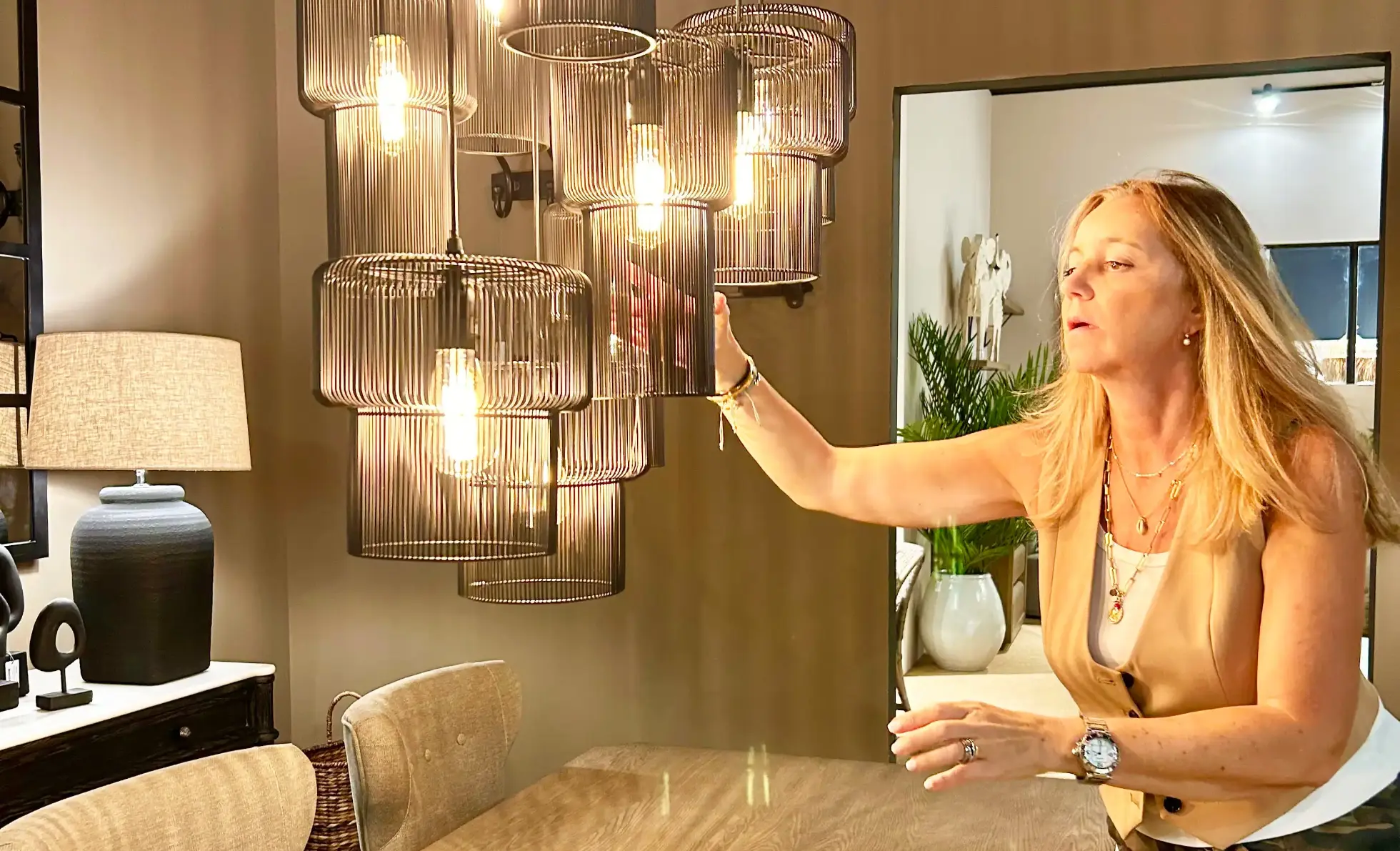
"Good lighting elevates mediocre architecture, and bad lighting ruins even the best design." This famous quote by Oscar Niemeyer says it all about the importance of lighting in environments. In fact, lighting is a very powerful element in architecture and interior design. With it, we can highlight architectural details or prominent features, we can focus or blur parts of the space, and it has the power to transform an environment, creating light or scenic settings, depending on the amount and intensity of light used.
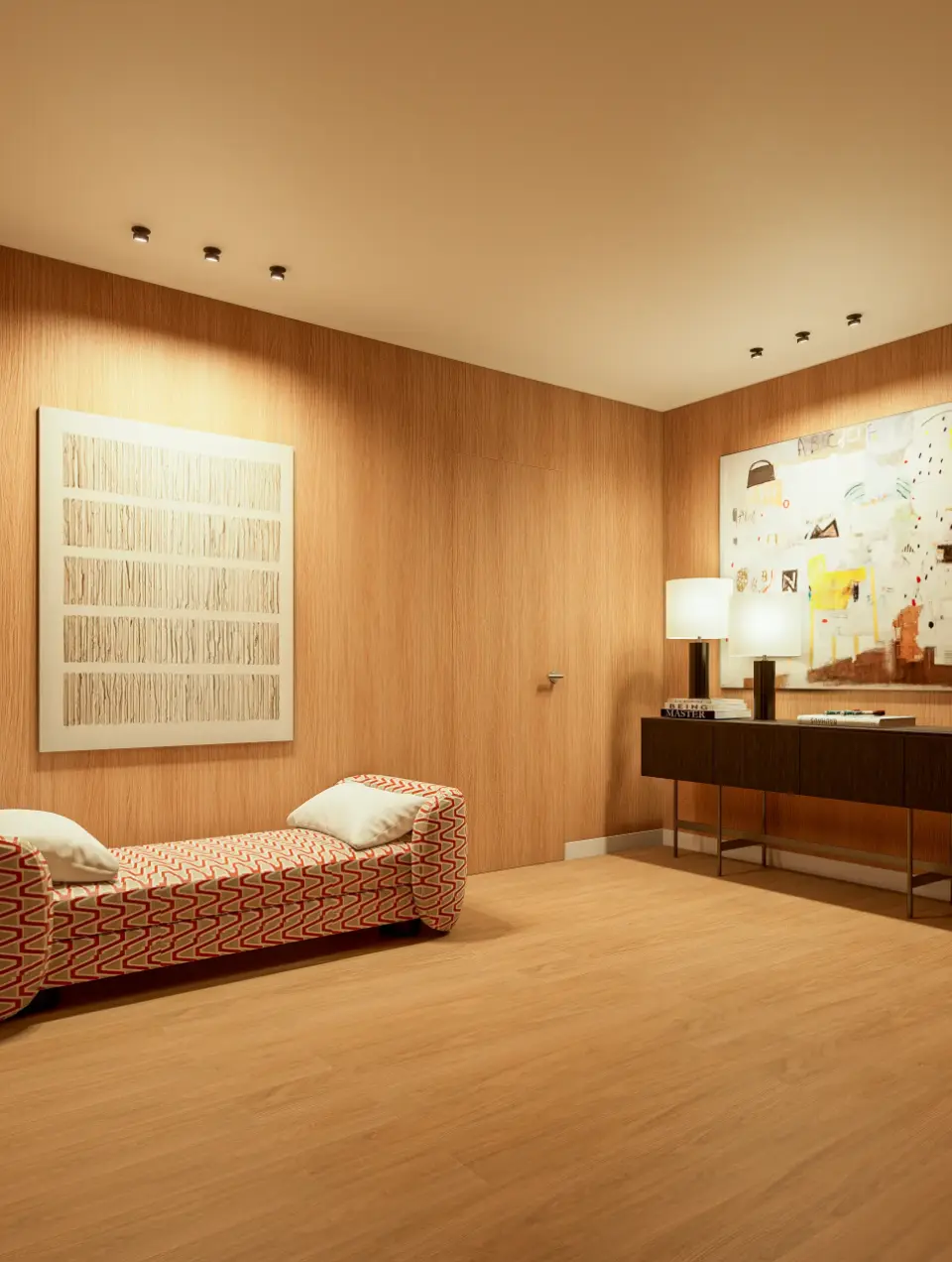
Another crucial feature of lighting is its ability to influence our bodies, causing changes in mood, well-being and health, as well as affecting our decision-making. Light conveys sensations: through its correct use, we can create environments of relaxation, stimulation, spaciousness or even focus.
What other element available to interior architecture and design has this power to alter our feelings and state of mind? Through well-planned lighting techniques, we can influence audiences to be happier or more relaxed, creating countless scenarios. It is incredible how much control lighting design can have over us!
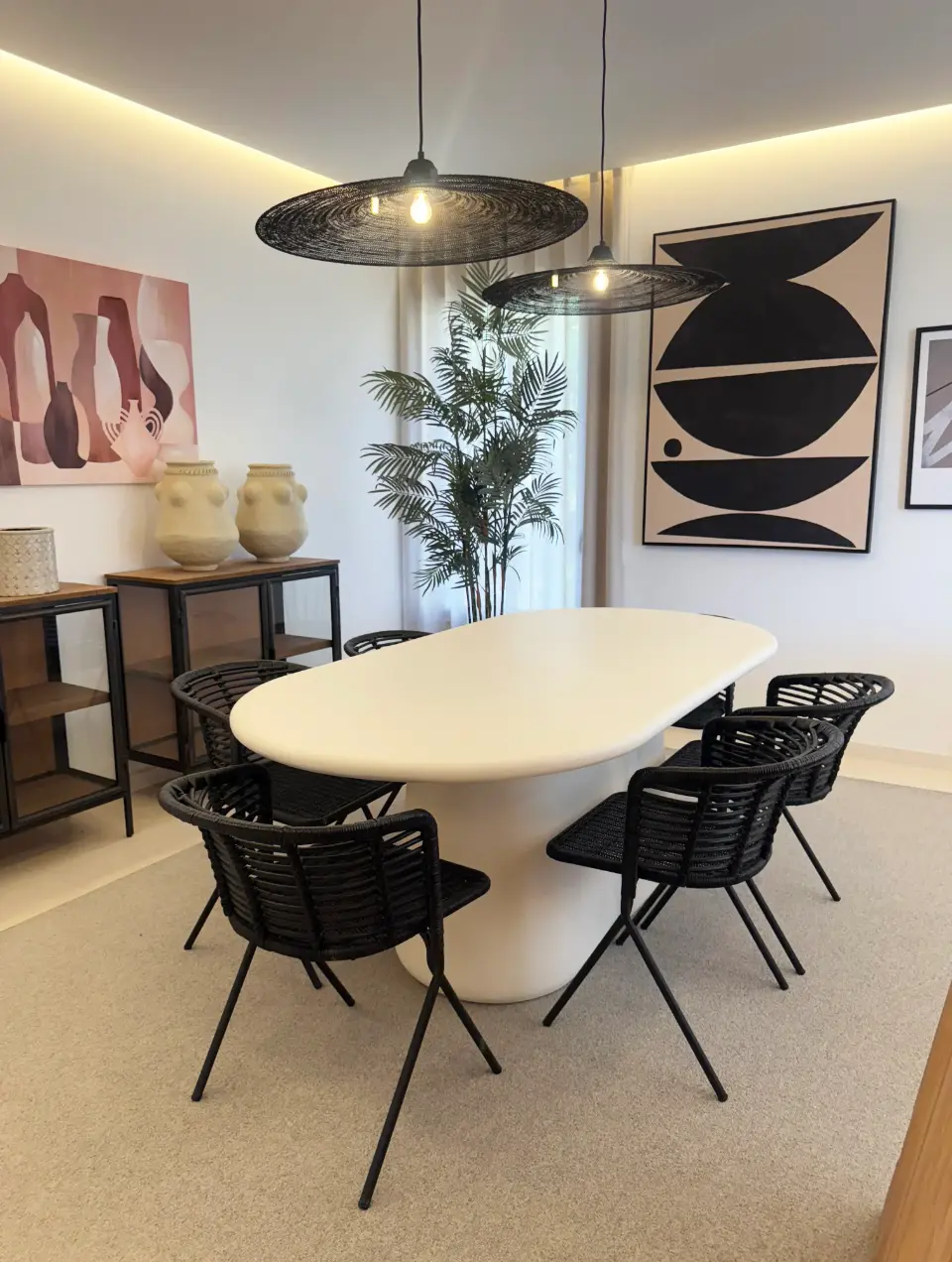
In order for lighting to create differentiation and achieve its objectives, it is essential to take three technical factors into account:
Control over light levels should always be coordinated with the daily routines of users, their habits, and usage schedules.
Colour temperature is a determining factor in how we see objects and interpret colours throughout the day.
Along with temperature, light intensity is also directly related to our emotions.
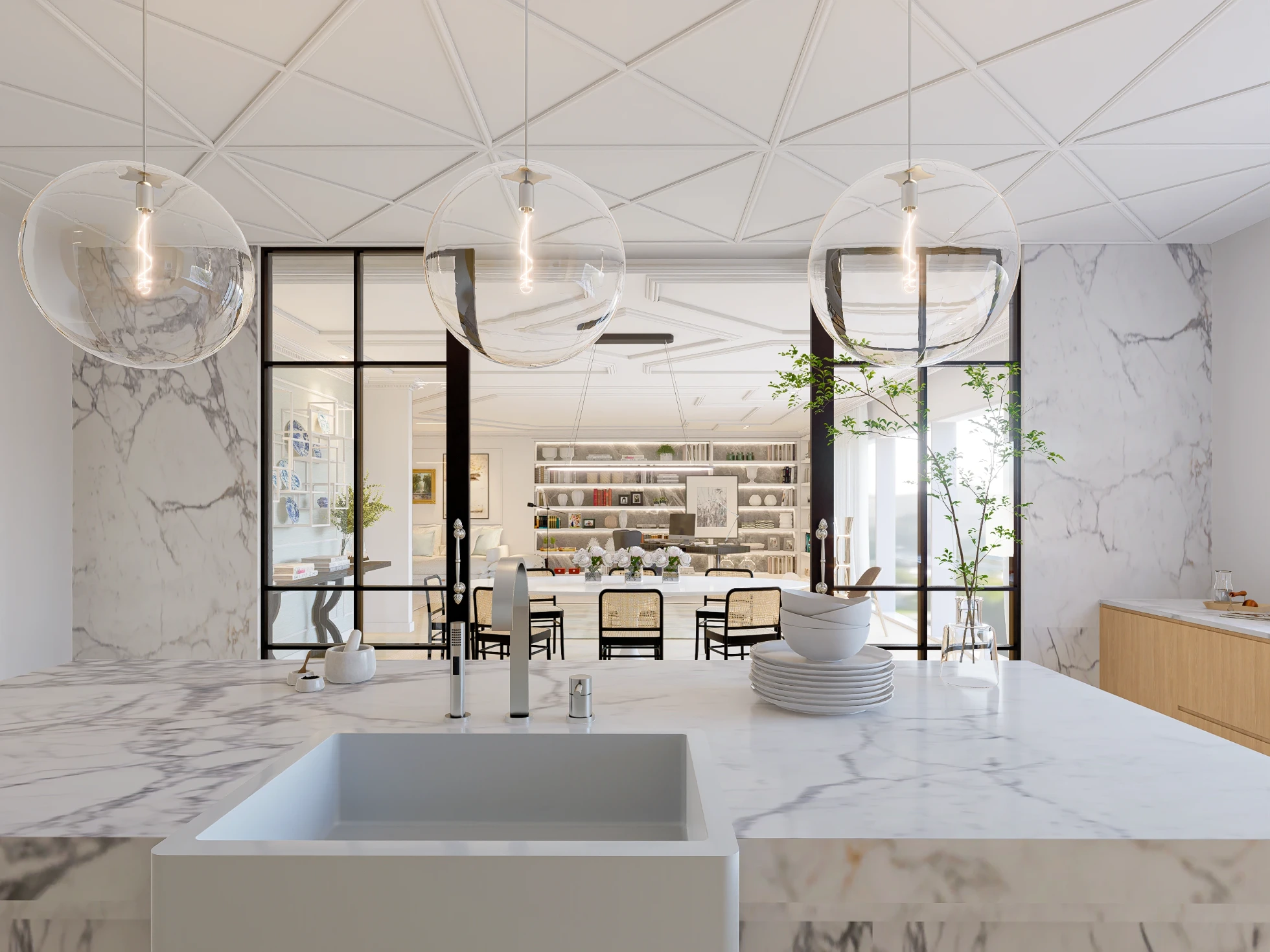
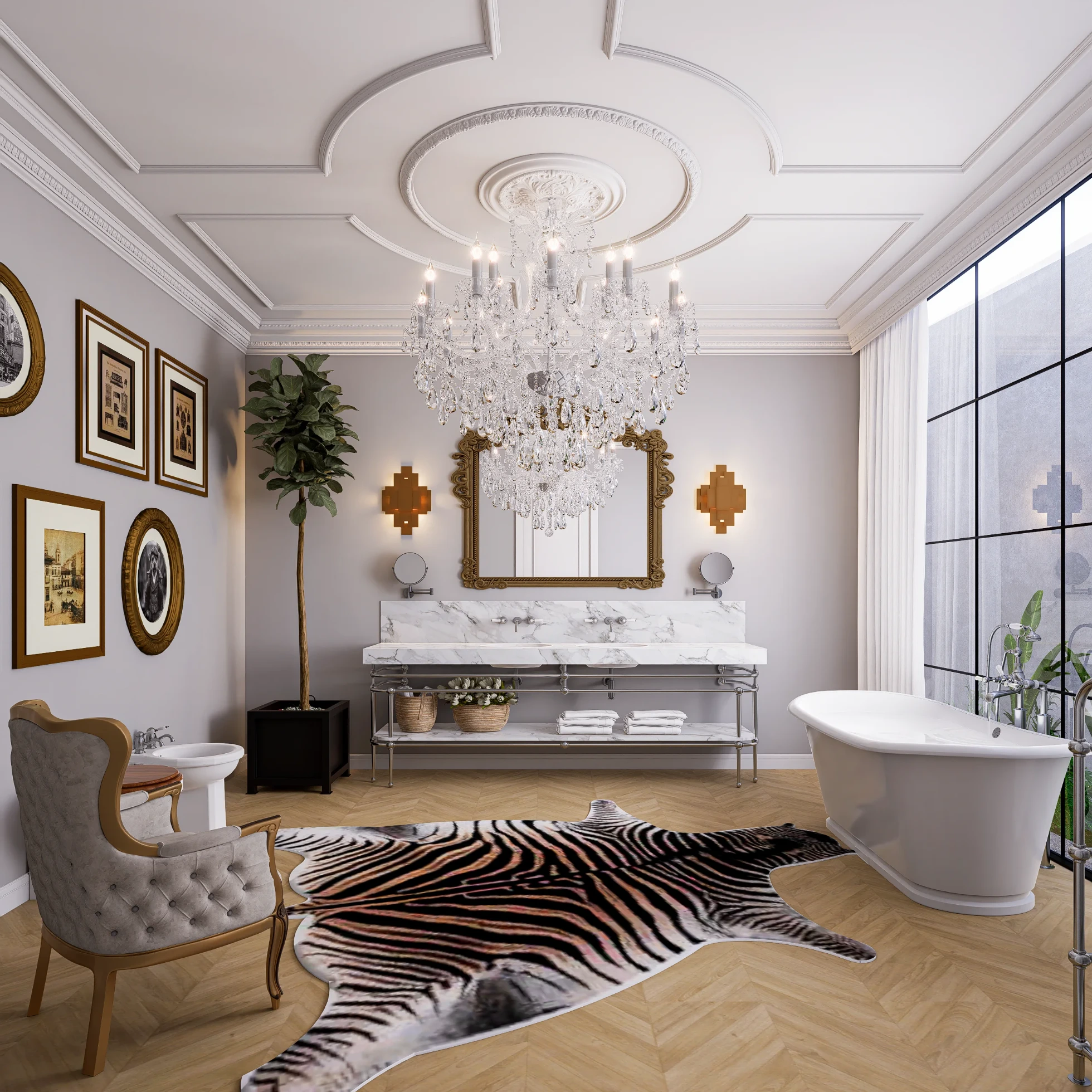
Although seemingly technical in nature, lighting design is a fundamental aspect of any project. When well executed, it is a powerful ally for interior designers and can be a great asset.
A project that has a professional dedicated to lighting design benefits from:
That said, it is clear that an interior architecture or design project must always be accompanied by a good lighting design, executed with detail and care, with specific attention to the experience of the environment and the correct use of lighting.
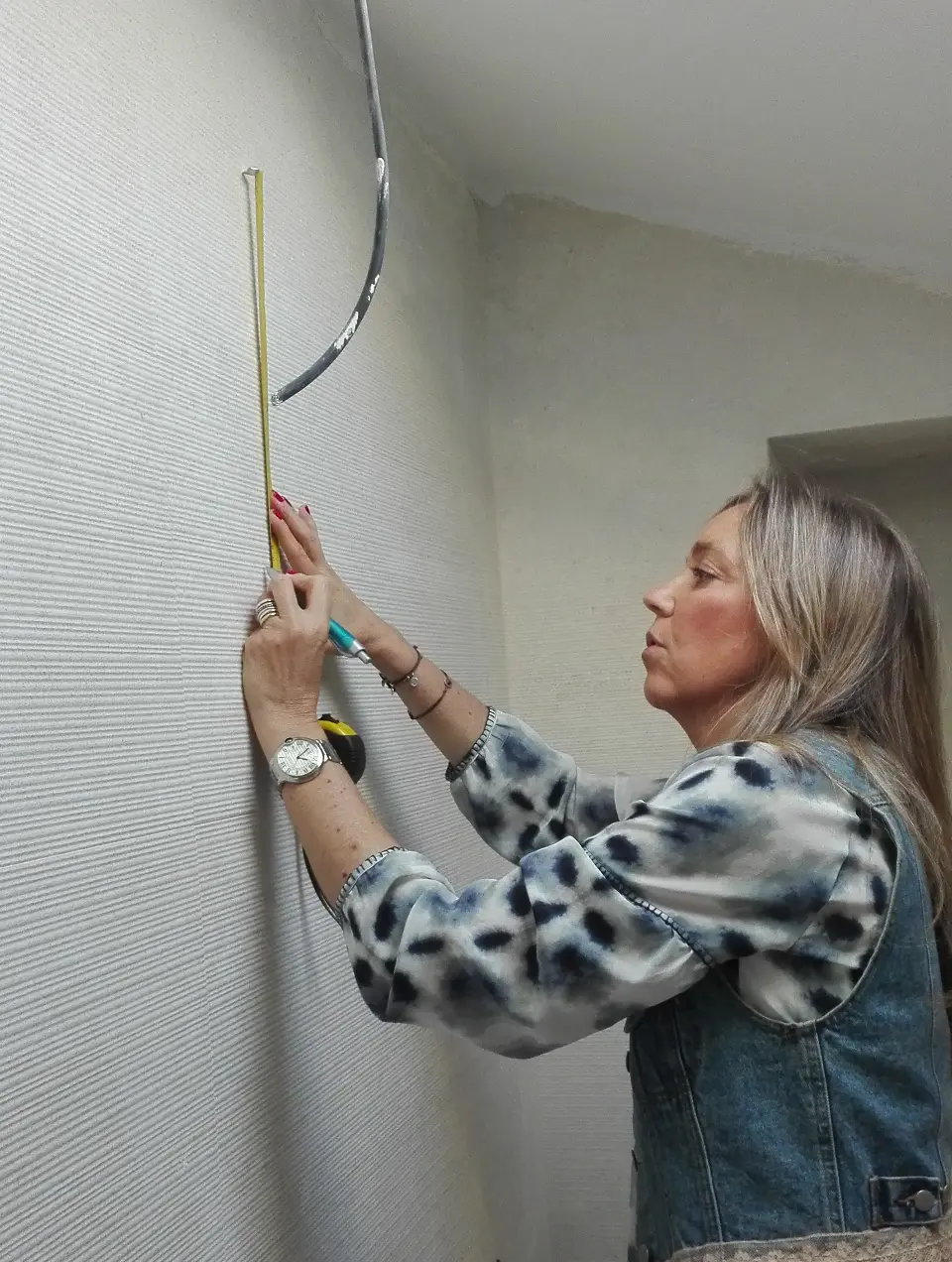
It is essential to consider this component right at the start of the renovation or construction, together with the interior design, to facilitate efficient execution and proper use of the products. A well-researched architectural design makes a huge difference in the end. Specific light fixtures with efficient bulbs, positioned in the right places, can work wonders.
Even in later stages of an interior design project – which includes defining the layout, choosing furniture and other aesthetic elements – lighting remains an important consideration. The designer's role is to balance natural and artificial lighting to provide the greatest aesthetic and sensory comfort.
When the project is no longer undergoing major structural changes, it is necessary to make creative adaptations to what already exists, correcting errors that could have been avoided if they had been thought through in a timely manner. At this stage, the work is surgical and precise, requiring technical expertise in choosing the colour and temperature of the light, according to the emotions that one wishes to arouse or calm in each environment.
Relacionados