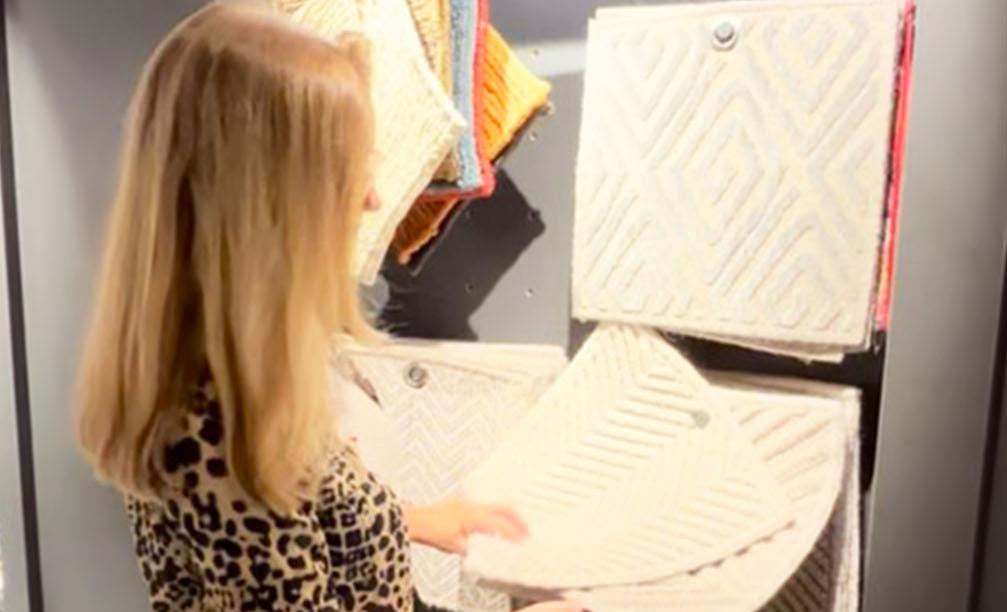
Over the years, I have learned that trends are not followed. They are observed, filtered and reinterpreted. The digital references I follow, the international fairs I regularly visit and my close contact with the collections of the suppliers I work with allow me to build a very clear understanding of the evolution of interior design and to see where the changes are really heading.
When I cross-reference all these influences, I feel that 2026 marks a turning point. After a prolonged period dominated by restraint, neutral palettes and a certain emotional minimalism that still persists, a more assertive desire for expression, identity and emotion in spaces is beginning to emerge. It is not about excess, but about intention. It is precisely in this balance between sophistication and personality that I choose to position my interior design projects in Lisbon. I do not follow trends literally. I adapt them to the architecture, to the city of Lisbon and, above all, to the people.
Lisbon has a very unique relationship with interior design. The light, the architecture, the blend of tradition and modernity create a unique context. In 2026, the city is increasingly establishing itself as a benchmark in contemporary interior design, where luxury is defined less by ostentation and more by sensitivity, comfort and the way spaces are experienced.
I sense a growing desire among my clients to go beyond what is ‘beautiful and timeless’. There is a clear desire for homes with soul, character and details that make sense. Luxury interior design in Lisbon now values conscious gestures, careful choices and spaces that tell real stories.
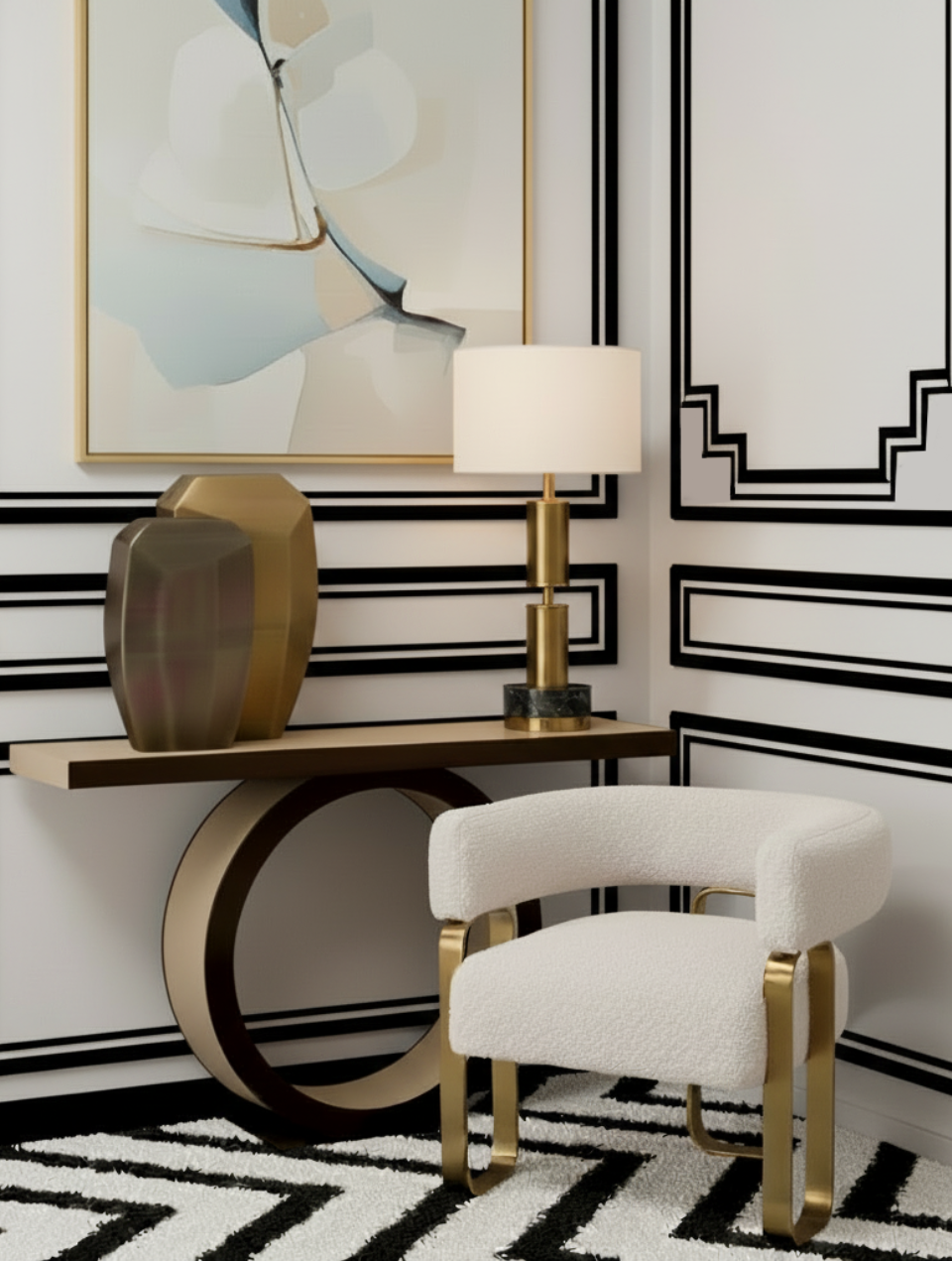
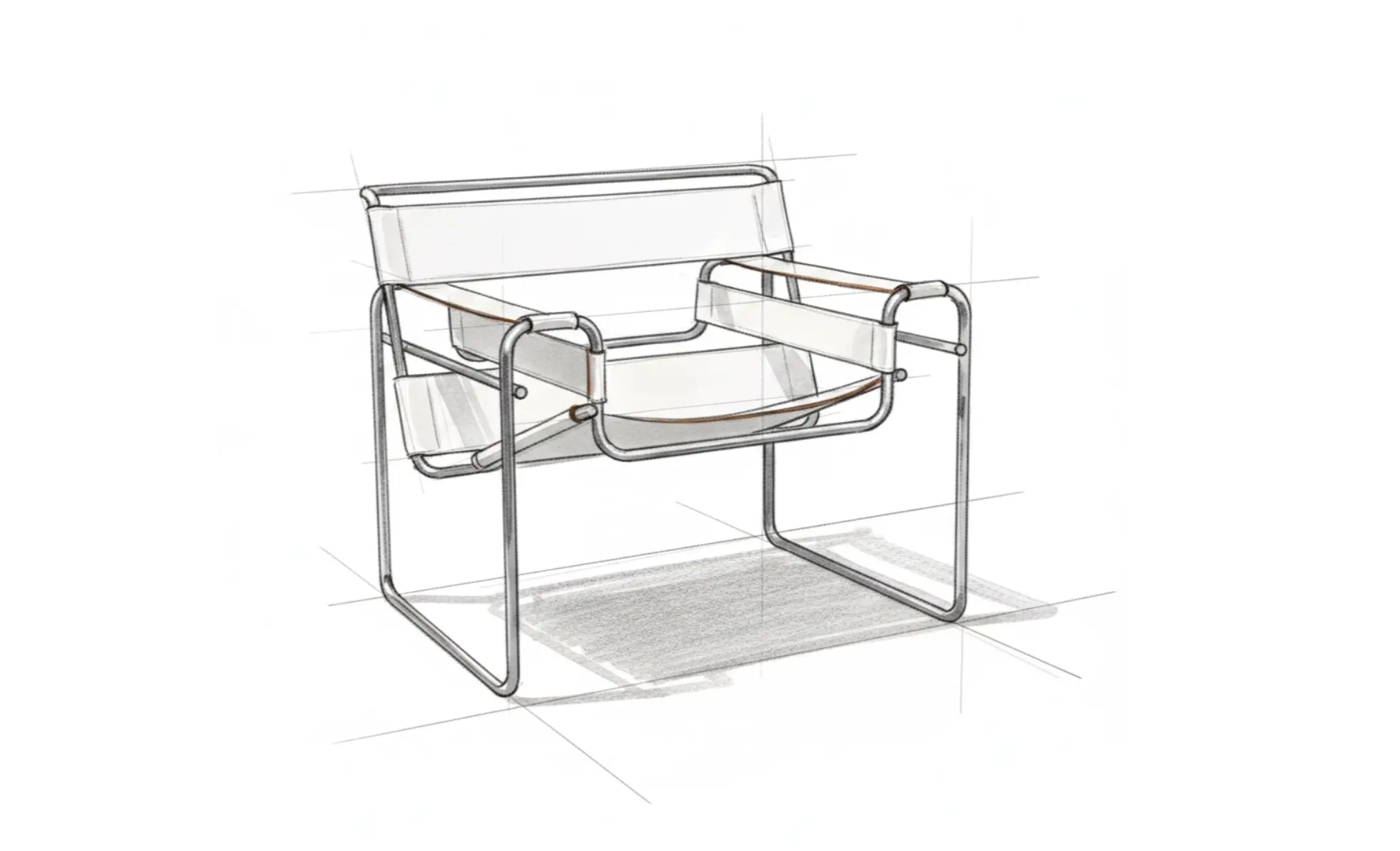
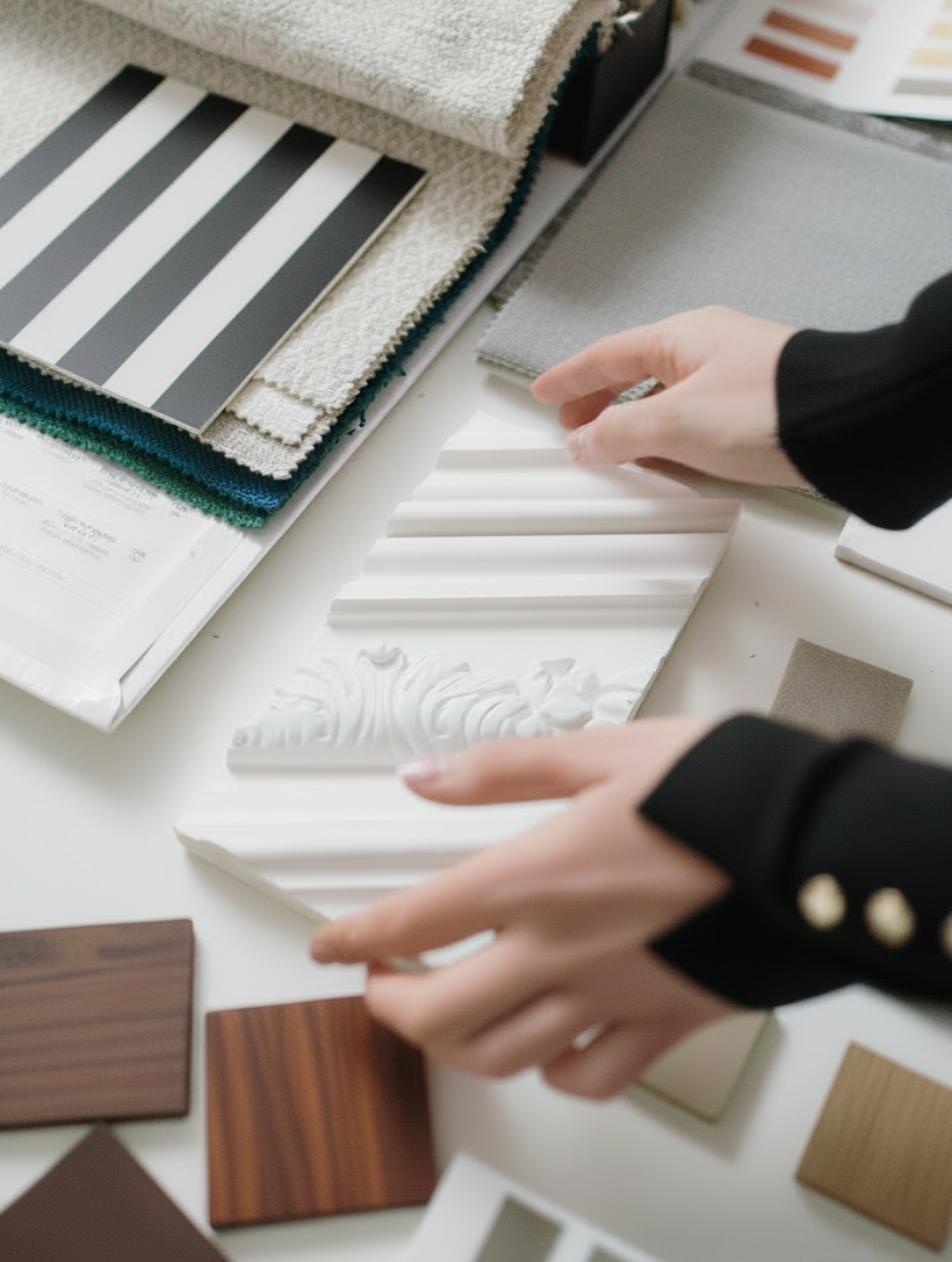
Neo Déco is one of the styles that interests me most for 2026. Not as a literal reproduction of classic Art Déco, which I find heavy and overly rigid, but as a softer, more comfortable and contemporary reinterpretation. This approach recovers the theatricality and sophistication of the past, adapting them to contemporary demands. In my interior design projects in Lisbon, where many flats combine old features with current needs, Neo Déco allows me to create a natural dialogue between eras. I see this influence reflected in iconic patterns such as chevrons or zigzags used in a more fluid way, in the occasional presence of metals such as brass or chrome, and in the contrast between polished surfaces and more matt materials. The return of luxurious fabrics such as velvets and silks, as well as deep, enveloping tones, contributes to richer, more sensory interiors.
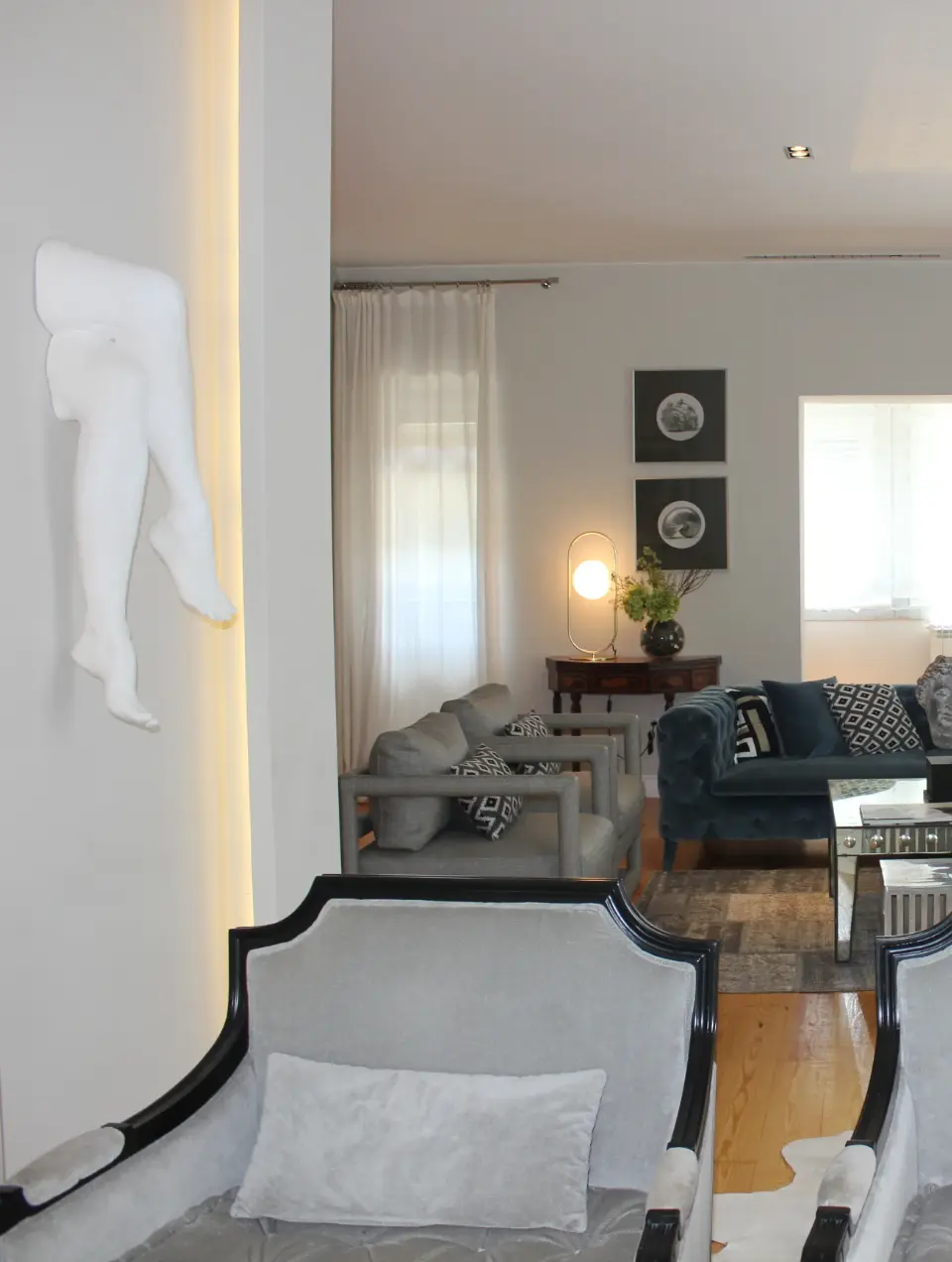
Another trend that is gaining momentum is what I like to call sophisticated humour in interior design. Well-composed environments, with neutral and timeless bases, where an unexpected element breaks the predictability.
It could be a sculptural piece, bold graphics, an exaggerated stripe or a daring colour contrast. I like this approach because it allows you to introduce personality without compromising the longevity of the space.
In my interior design projects in Lisbon, I use this language especially when clients are looking for serene, but not impersonal homes. It's an elegant way to surprise, without tiring.
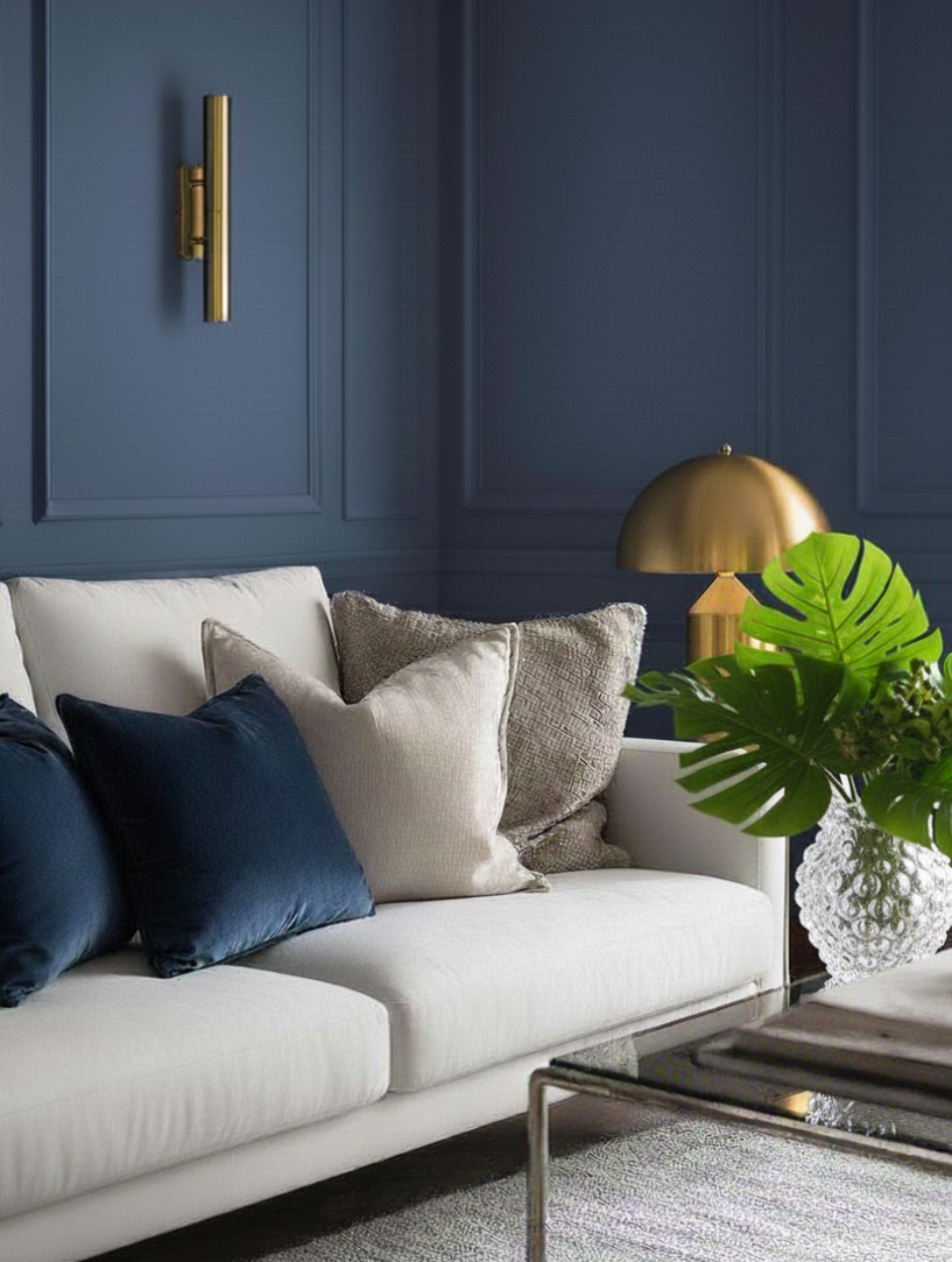
Blue will definitely cease to be a detail in 2026. Cool, deep and saturated blues will take centre stage in interior design. I particularly like to use them on walls that call for depth, on custom-made furniture, doors, interior cupboards or kitchens. Cool blue conveys serenity, but also presence. In Lisbon, this colour takes on a special expression thanks to the city's natural light, creating interiors that are both calm and sophisticated. When combined with natural materials and earthy tones, blue brings balance, modernity and a certain drama that is very characteristic of contemporary urban interiors.
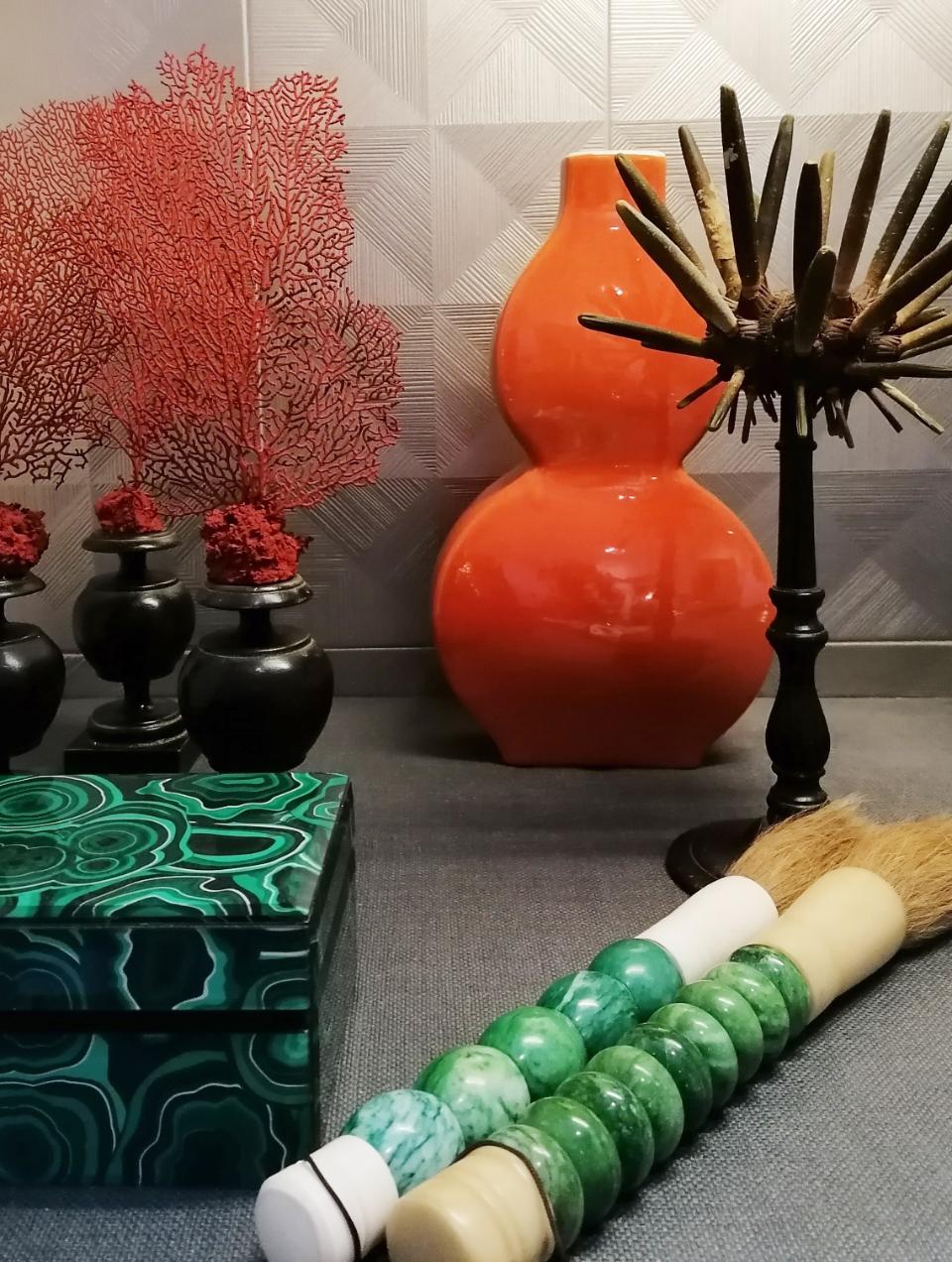
This approach has been part of my work for many years and, interestingly, is now beginning to establish itself as a trend. I have always valued the integration of handmade, ethnic and unique pieces in contemporary or classic environments. More than just aesthetics, it is about giving meaning to spaces. In interior design projects in Lisbon, this influence comes through in handmade textiles, objects with history, natural materials and unique pieces that add depth and narrative. Lisbon, with its multicultural heritage, embraces this language very naturally. It is a way of creating personalised interiors that are rich and emotionally connected to those who inhabit them.
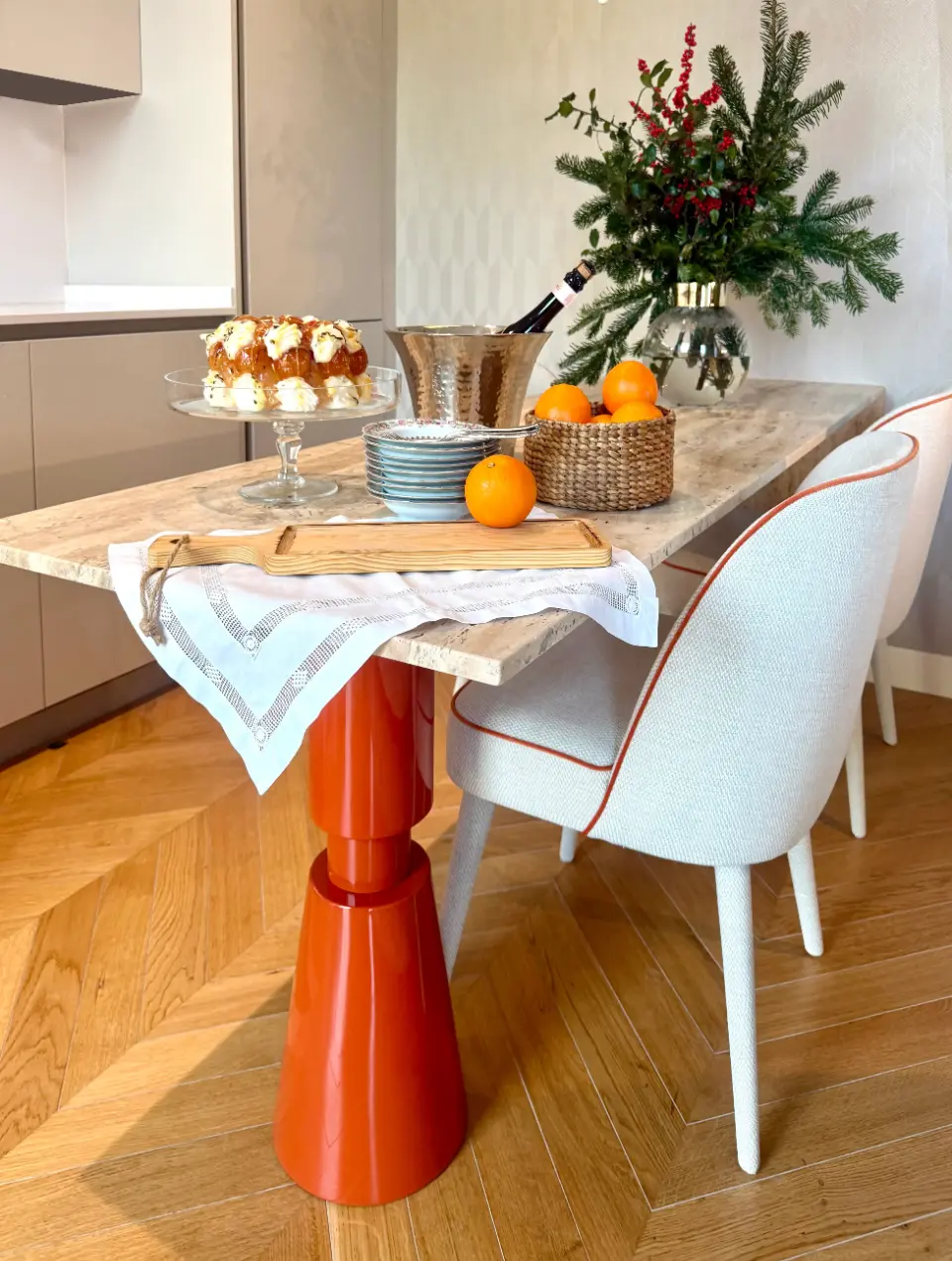
If there is one thing that is clear in 2026, it is the return to bespoke interior design. Increasingly, customers are looking for solutions specifically designed for their lifestyle, the architecture of their home and their everyday life. Details take centre stage. From a piece of furniture designed from scratch to a perfect fit, to the choice of a handle or fabric, everything contributes to the final quality of the space. In my projects in Lisbon, bespoke design is imperative, but it is not a luxury, rather a way of ensuring consistency, functionality and identity.
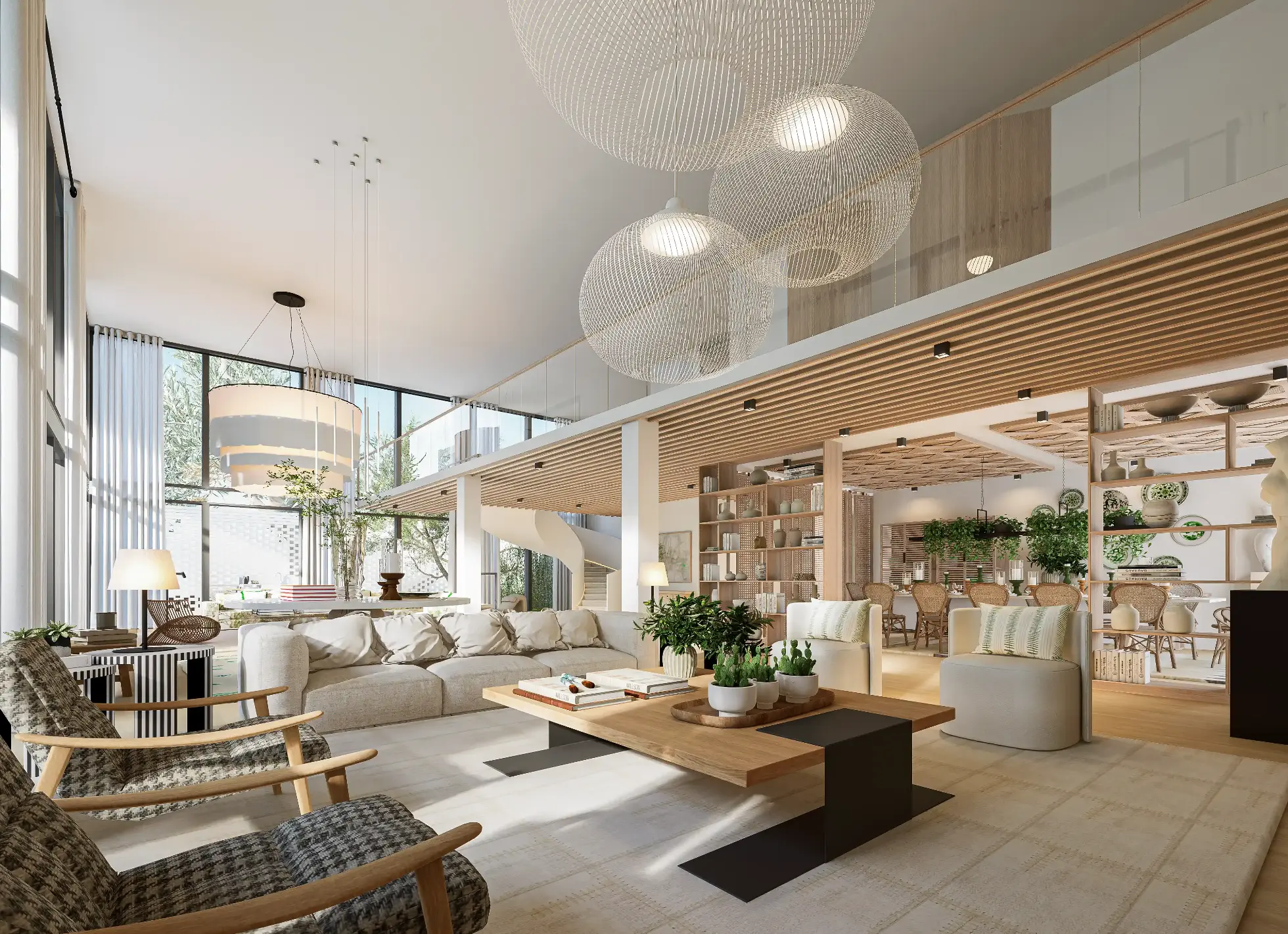
For me, sustainability in interior design is not a passing trend. It is a principle. In 2026, this awareness is increasingly integrated naturally into projects. Choosing durable materials, valuing what already exists, using responsible solutions and paying attention to the life cycle of materials are always part of my creative process. Sustainability is about creating homes that last, that age well and that respect those who live in them and the context in which they are located.
In 2026, interior design in Lisbon reflects a growing desire to create spaces with more personality, emotion, and identity. Among the key trends are the reinterpretation of Art Deco through Neo Deco, the use of unexpected elements and sophisticated humor, deep, cool blues, an emphasis on handcrafted pieces with a history, the rise of custom interior design, and a greater focus on sustainability. Rather than following trends to the letter, the approach involves adapting them to the architecture, lighting, and personality of each space.
Neo-Deco is a contemporary interpretation of Art Deco that recaptures its elegance and sophistication without literally replicating its classic elements. In interior design in Lisbon, it can be particularly appealing in properties that combine traditional architectural features with a contemporary lifestyle. Geometric patterns, metals such as brass or chrome, velvets, silks, deep tones, and the contrast between polished and matte surfaces can be used in a balanced way to create sophisticated, comfortable, and modern interiors.
In 2026, cool, deep, and saturated blues will take center stage in interior design. The so-called “Cool Blue” can be used on walls, custom furniture, doors, cabinets, or in kitchens, creating depth and presence. In Lisbon, the city’s natural light allows this shade to be explored in a particularly interesting way. When combined with natural materials and earthy tones, blue can create spaces that are simultaneously sophisticated, contemporary, and welcoming.
Yes. Custom interior design will become increasingly important in 2026, as clients seek spaces that are more personalized and tailored to their lifestyle. Solutions such as furniture designed specifically for a space, custom woodwork, bespoke fittings, and the careful selection of hardware, fabrics, and finishes allow for the creation of interiors with greater coherence, functionality, and identity. More than just a passing trend, custom design is a way to respond to the unique characteristics of each project.
The best way to incorporate trends is not to follow them to the letter. A trend should be interpreted in accordance with the property’s architecture, lighting, functionality, and the personality of its inhabitants. Striking elements—such as a color, a pattern, a sculptural piece, or a finish—can be combined with timeless materials and high-quality solutions. In this way, the design stays current without becoming dependent on a specific trend, creating an interior with personality and longevity.
Sustainability in interior design should be understood as a lasting principle and not merely as a trend. The projects developed by Margarida Bugarim Interiores prioritize durable materials, make the most of existing elements, take into account the life cycle of materials, and seek solutions that age well. Beyond the choice of materials, sustainability is also about creating interiors designed to last, avoiding replacements driven solely by fleeting trends.