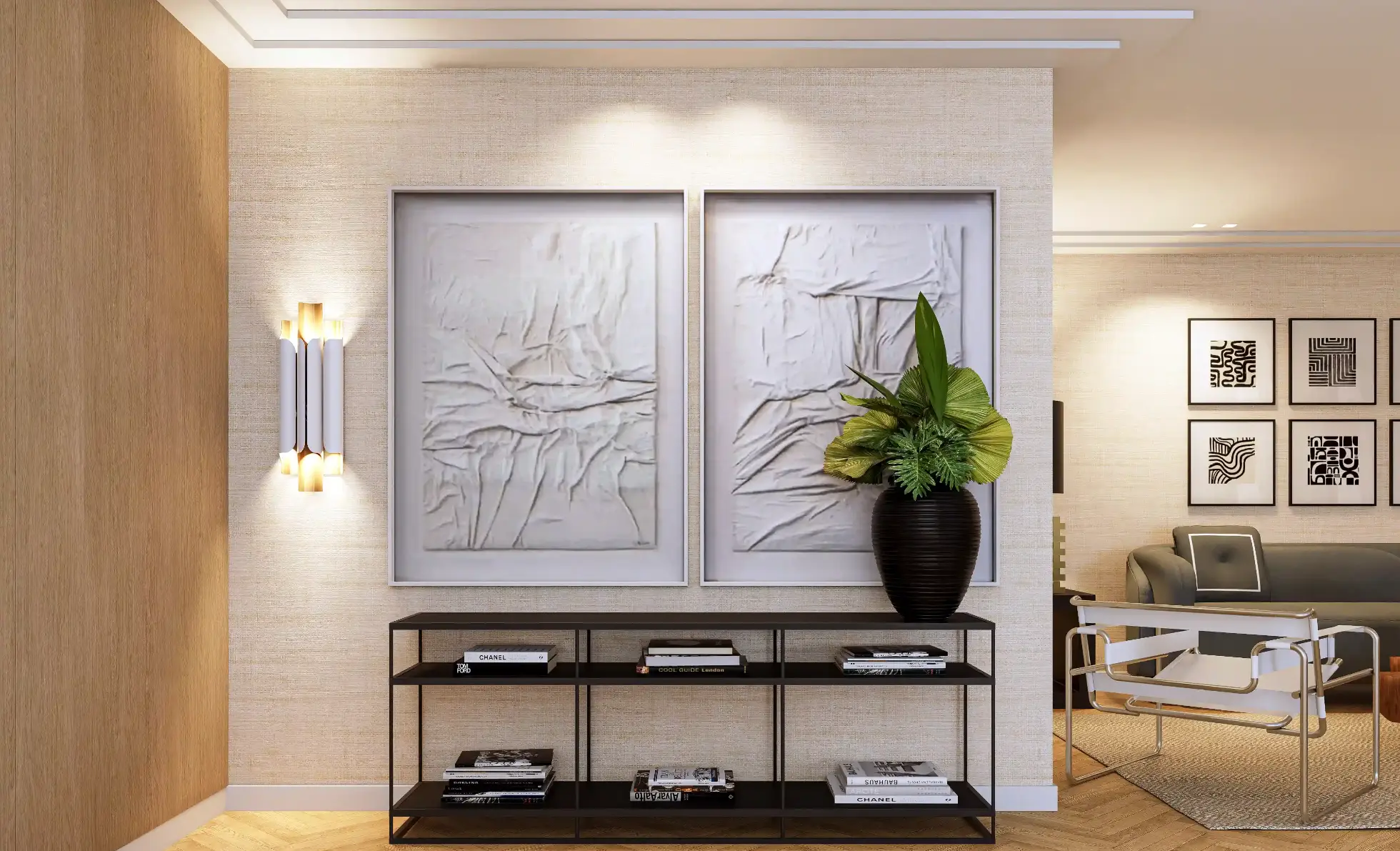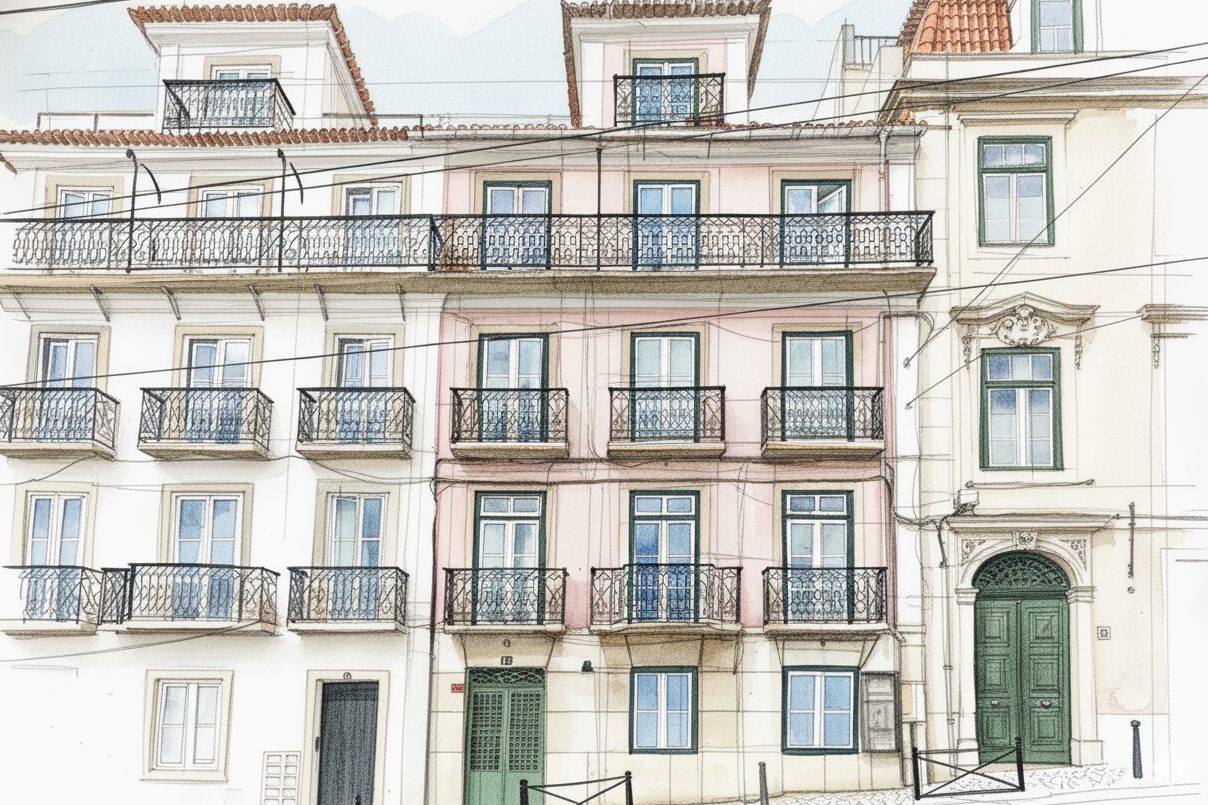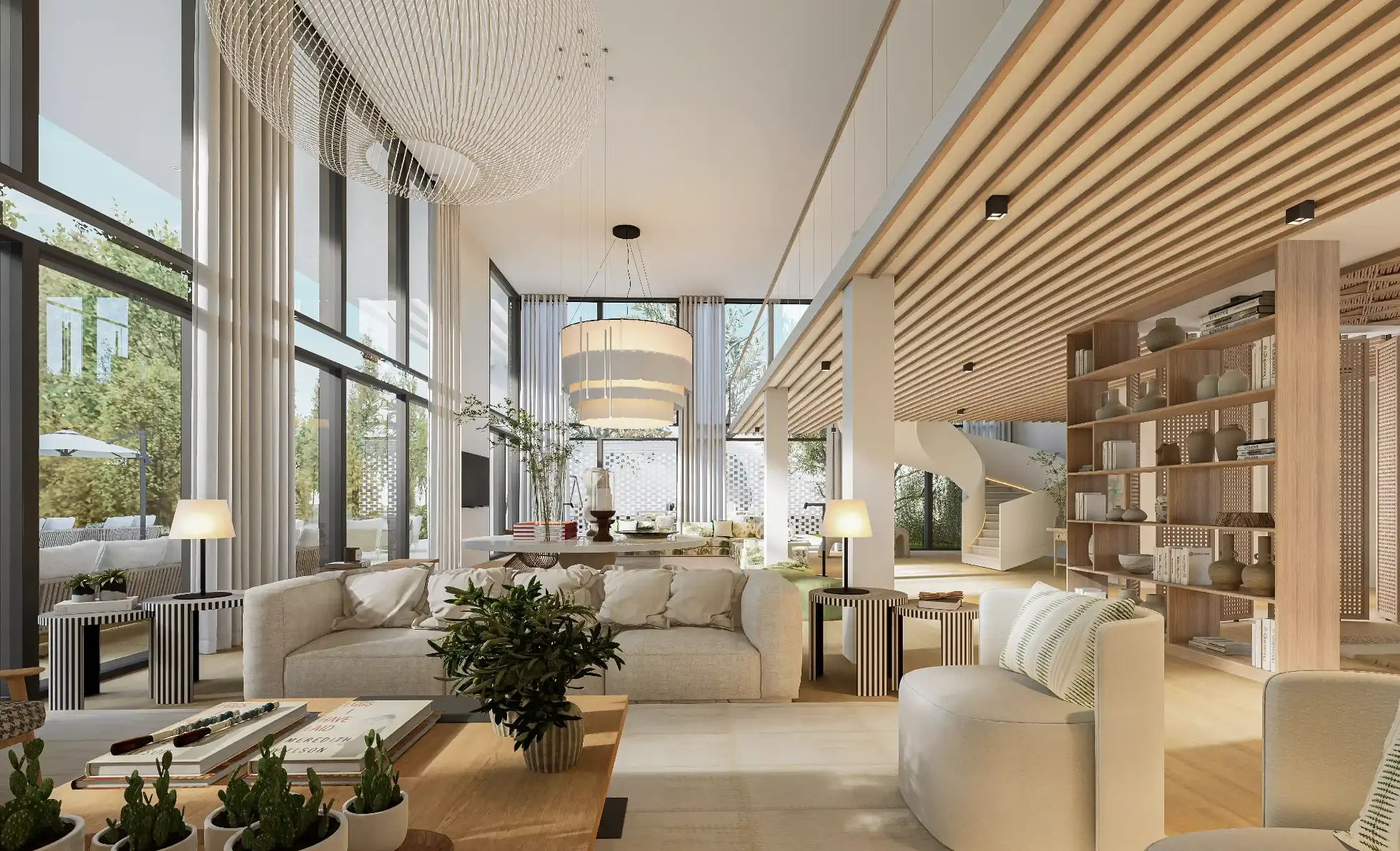
When building a house from scratch or preparing for a major renovation, the architectural project defines the structure, volume, light, circulation, layout, and overall organisation of the house. However, there is a level of technical, functional, and aesthetic detail that is best handled by interior design specialists who can personalise the architecture through interior architecture.
It is interior architecture that gives space a human scale, translating conceptual intent into comfort, functionality and identity.
It is consistency. It is ensuring that materials, lighting, construction details and furniture design interact with the architecture and elevate it. It is thinking about how people experience space on a daily basis, how they move, how they feel, how they inhabit it.
A good interior architecture project transforms and also helps the next step, the decoration.
When architecture and interiors are thought out together, the result is more harmonious, more consistent and more timeless. The space is no longer just well built, but truly lived in.
The interior architect does not replace the architect who designed the project; they complement and enhance it, ensuring that every space is thought out down to the last detail, from the finishes to the lighting, including the carpentry and the sensory experience of the home. Without this specialised work, the architecture would be incomplete.
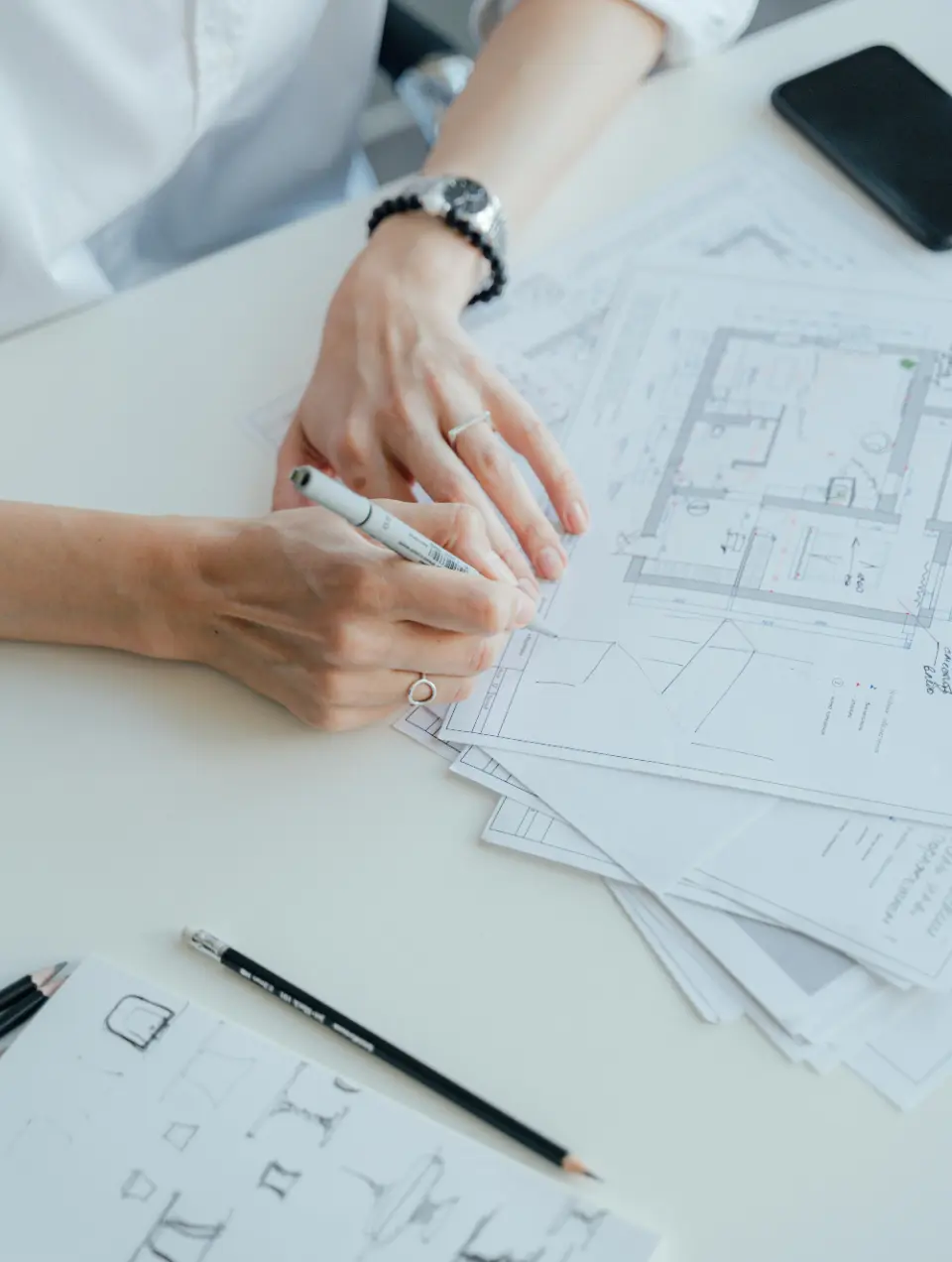
1. Initial meeting and needs assessment
This stage ensures that the interior architecture respects the architectural project, but adapts and adds value to the way the house will actually be lived in.
It is the starting point for a fully personalised service.
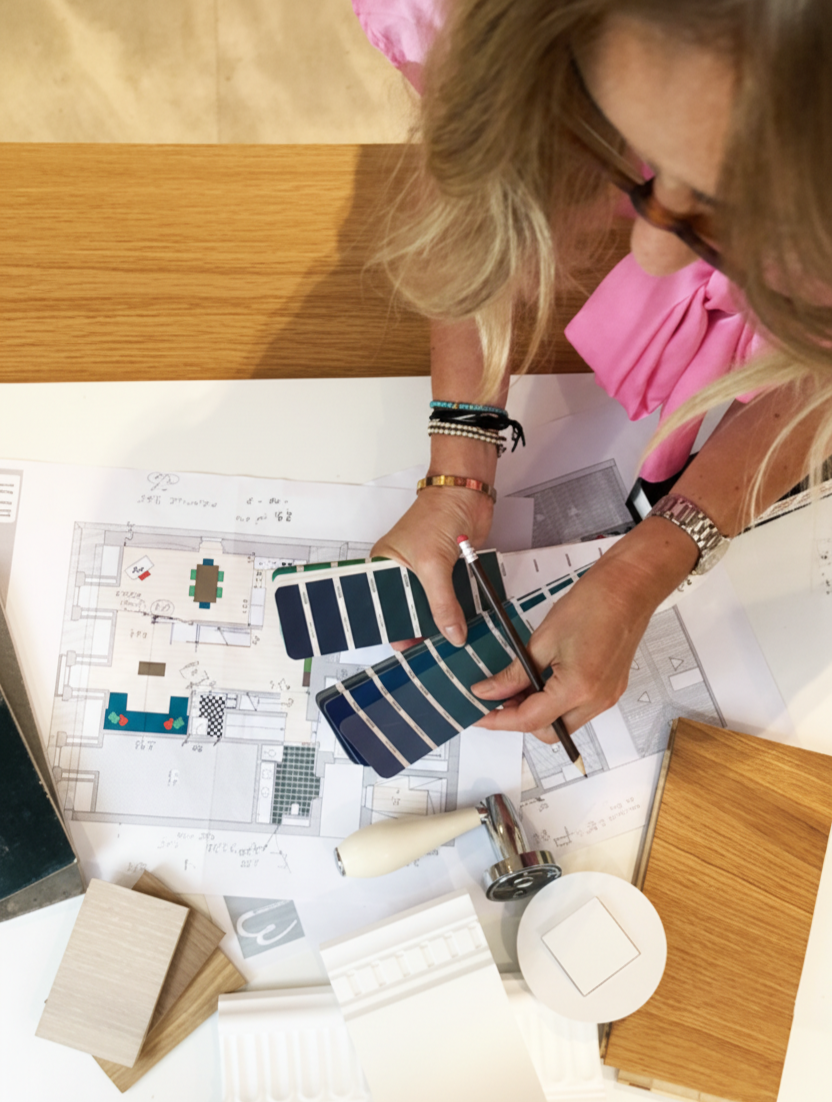
The concept translates architecture into a sensory and aesthetic language. This is where the architect's work begins to be elevated, giving it depth and visual coherence. Interior architecture continues the intention of architecture and gives shape to the space, bringing it to life. Design is no longer just structure, but becomes an everyday experience.
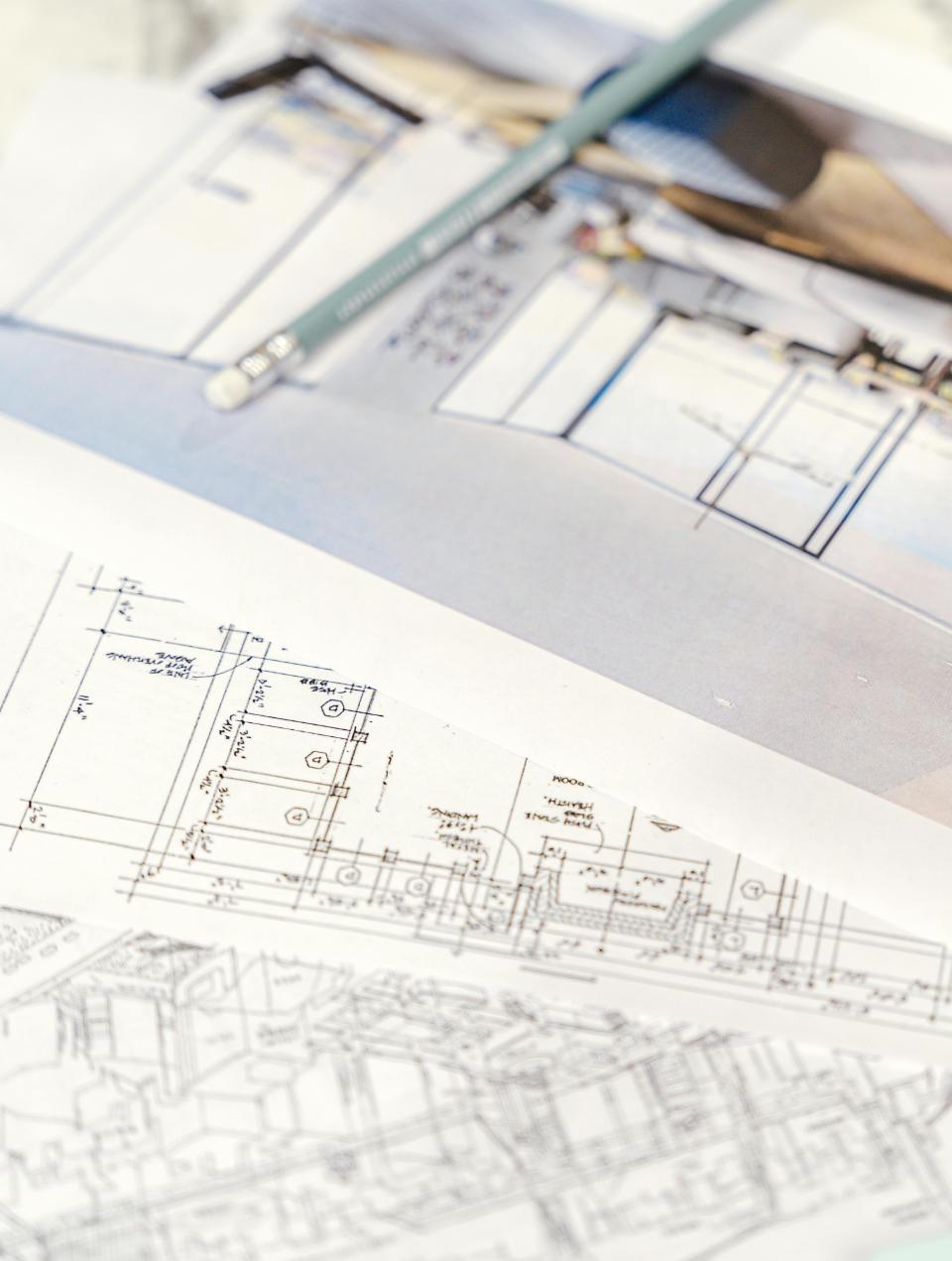
At this stage, the interior architect works on the space "from the inside", ensuring that each room functions in practice and that the architectural design comes to life in a balanced way. Routines, needs and details that make a difference in everyday life are anticipated. The space is no longer just well designed, but becomes coherent, comfortable and truly liveable.
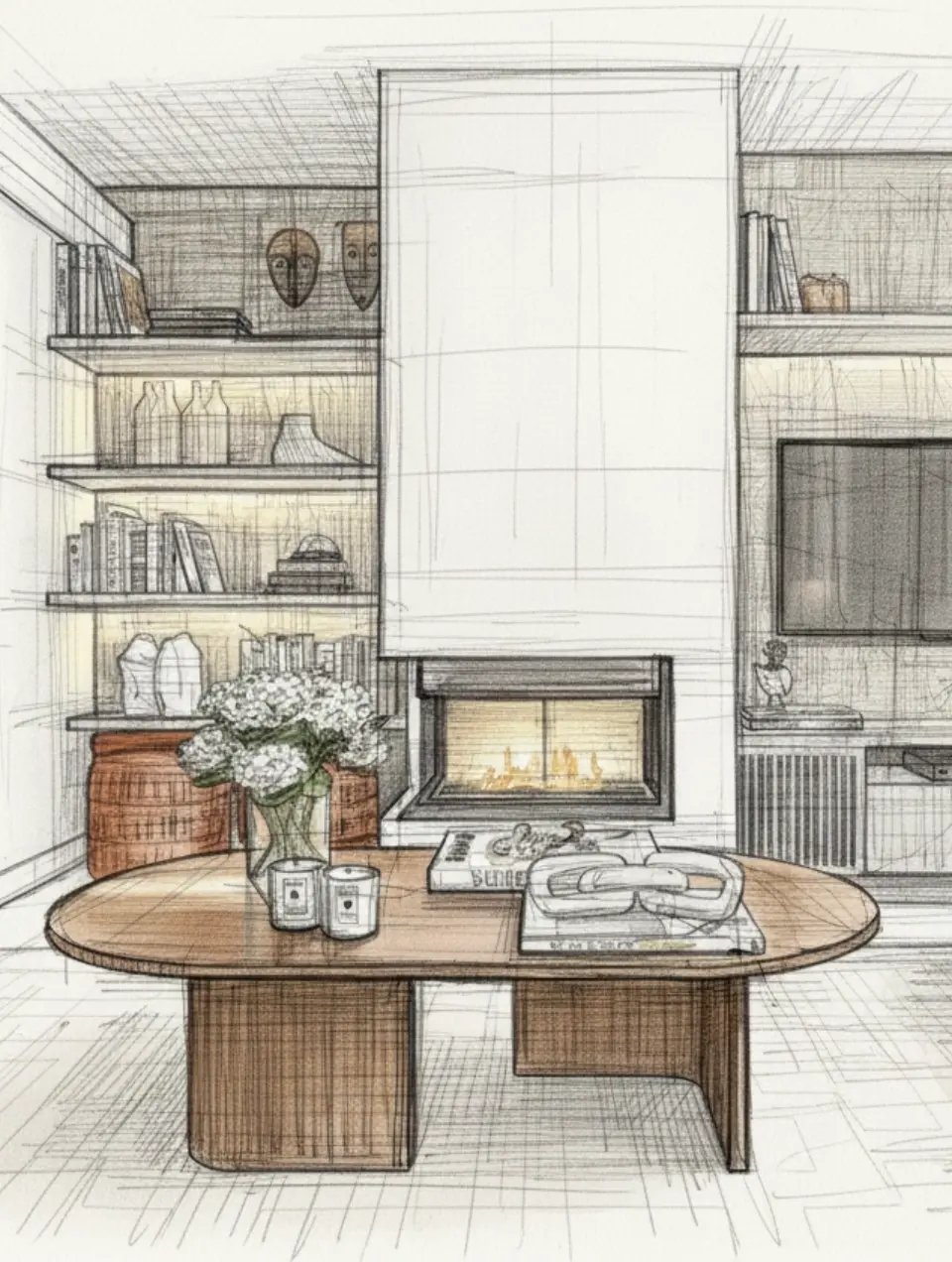
This is where all the details that are not part of the architectural design are defined, but which are fundamental to the final result. This is the phase that gives the house its identity, comfort and charm. It is also the phase where technical rigour meets design sensitivity, where all decisions cease to be generic and become specific, measured, detailed and coordinated between specialities.
This is where we define exactly where each light point will be located, what temperature and intensity it will have, how it will be integrated into the ceiling, and what atmosphere it will create. This is where false ceilings are designed down to the last millimetre to integrate lighting, air conditioning, and acoustics without compromising the purity of the space.
This is where carpentry ceases to be merely ‘cupboards’ and becomes custom-designed pieces, with carefully considered proportions, materials, fittings and finishes.
The execution project anticipates problems, resolves issues between materials, defines thicknesses, finishes, alignments, and construction systems. It avoids improvisation on site and ensures that what was designed is actually built with quality.
More than just a technical stage, this is the phase that transforms intention into reality. It is where the space gains precision, depth, and character. It is the detail that underpins the aesthetics and ensures that the final result corresponds exactly to what was envisaged.
It is at this stage that one truly understands the work involved and how a project can be transformed when it is well thought out by the interior design team.
Transparência total e decisões informadas, evitando surpresas durante
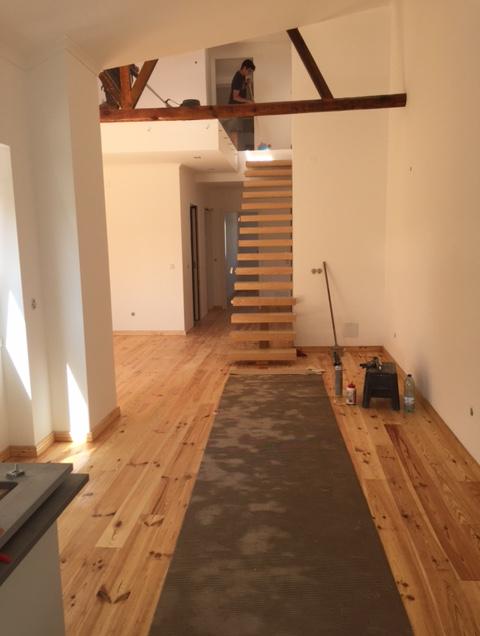
Without monitoring, the project runs the risk of being misinterpreted. Monitoring ensures quality and fidelity to the project.
An architectural design defines the structure and logic of the house.
An interior design project gives it soul, detail and life.
When both work together, the result is a coherent, elegant and functional home — a home that respects the architect's vision but is enhanced by the interior designer's expert eye.
For those who are building from scratch or remodelling, integrating an interior design project from the outset is not a luxury: it is a guarantee that every decision is carefully thought out, coordinated and executed with precision.