There are pieces that don’t follow trends—they endure.
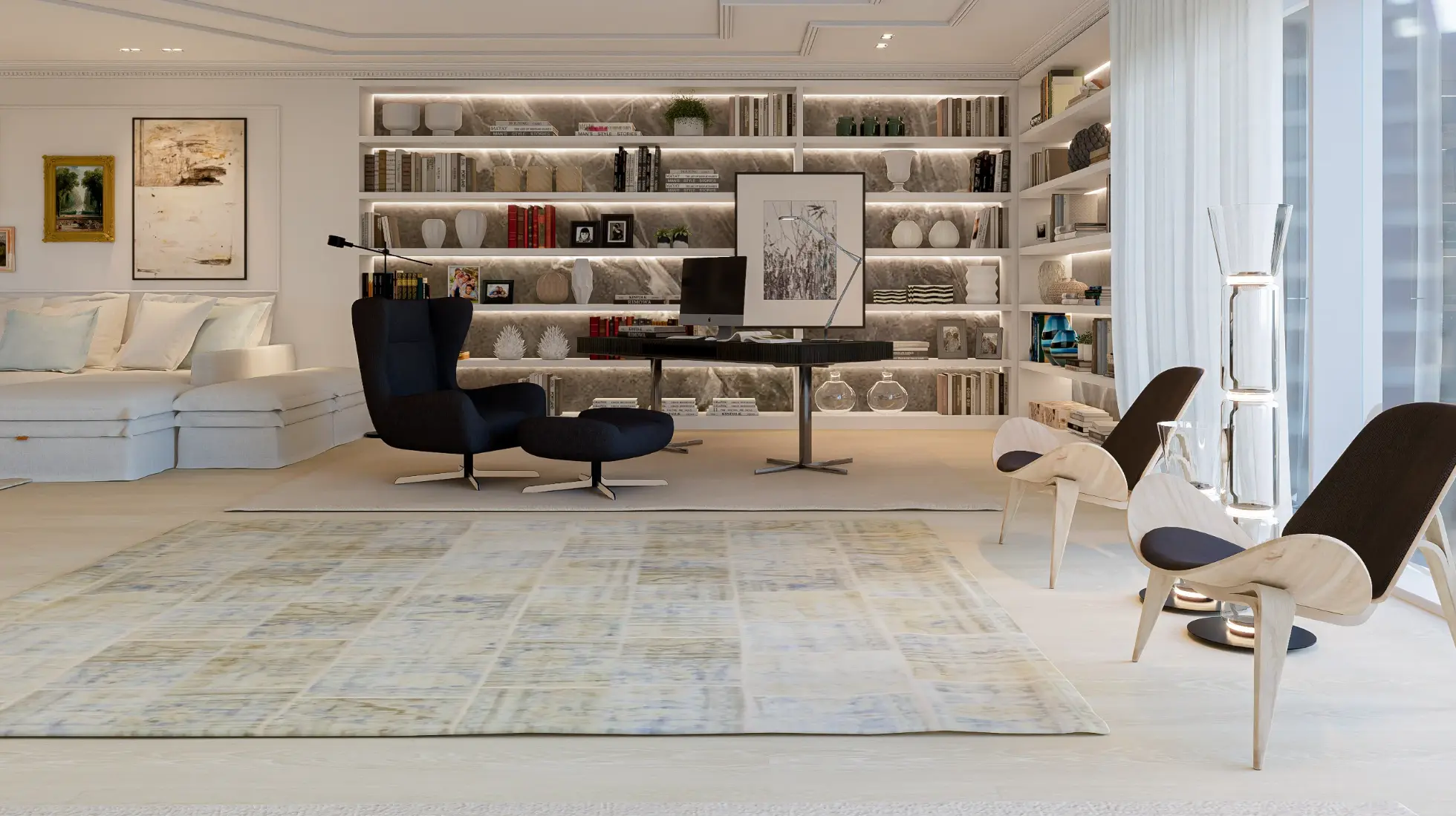
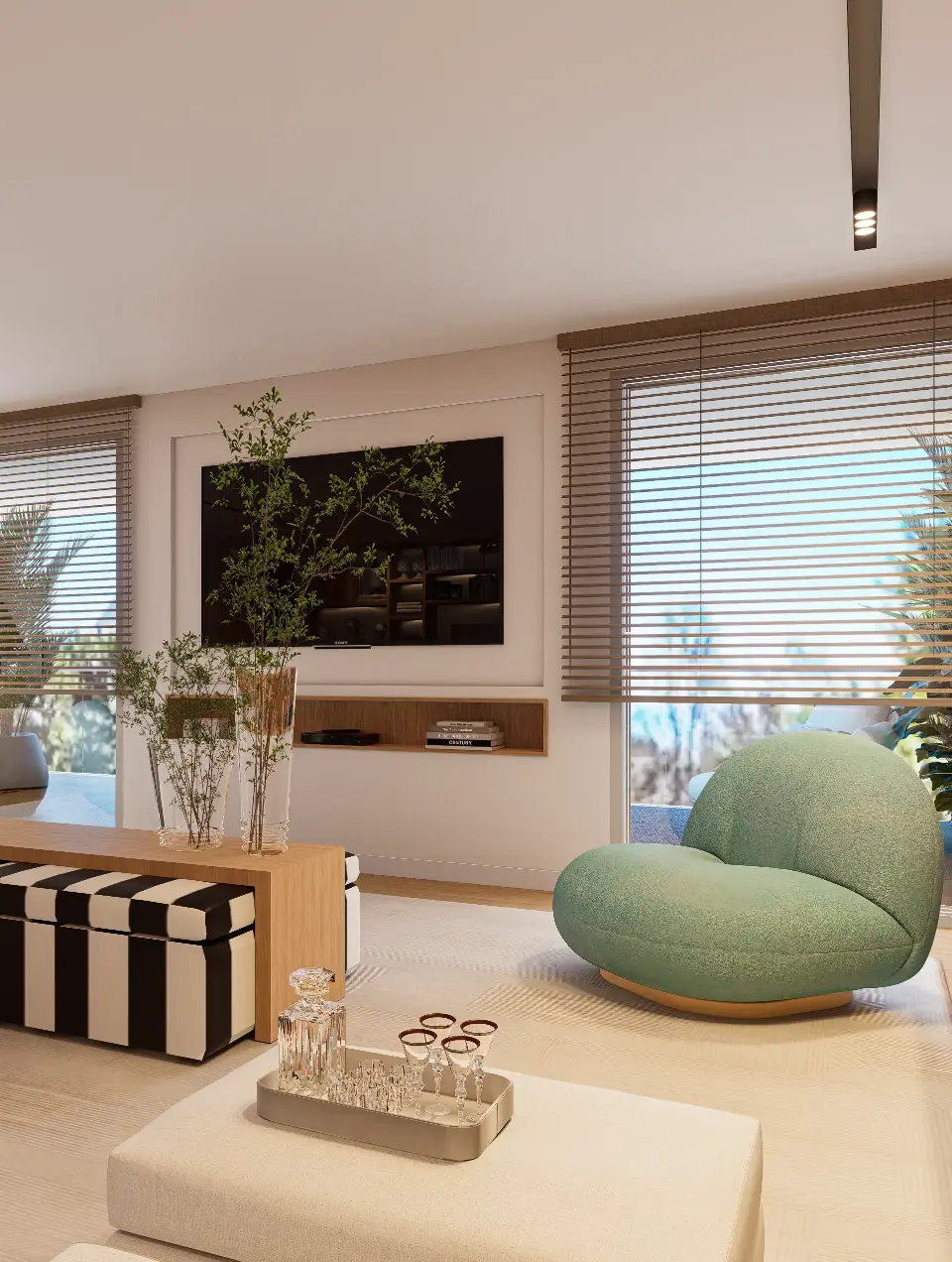
In the world of interior design, few elements have the power to transform a space quite like a chair. Due to its scale, function, and presence, a chair can be discreet or take center stage—but it is rarely neutral.
Throughout my interior architecture projects, there are pieces I consistently return to. Not out of repetition, but because they possess something rare: they work in different contexts, engage with distinct design languages, and always maintain a strong identity.
It is extraordinary how some of these pieces, designed in the early 20th century, remain current and modern. More than aesthetic choices, they are design decisions. Each chair carries with it a story, an intention, and a very unique way of inhabiting the space.
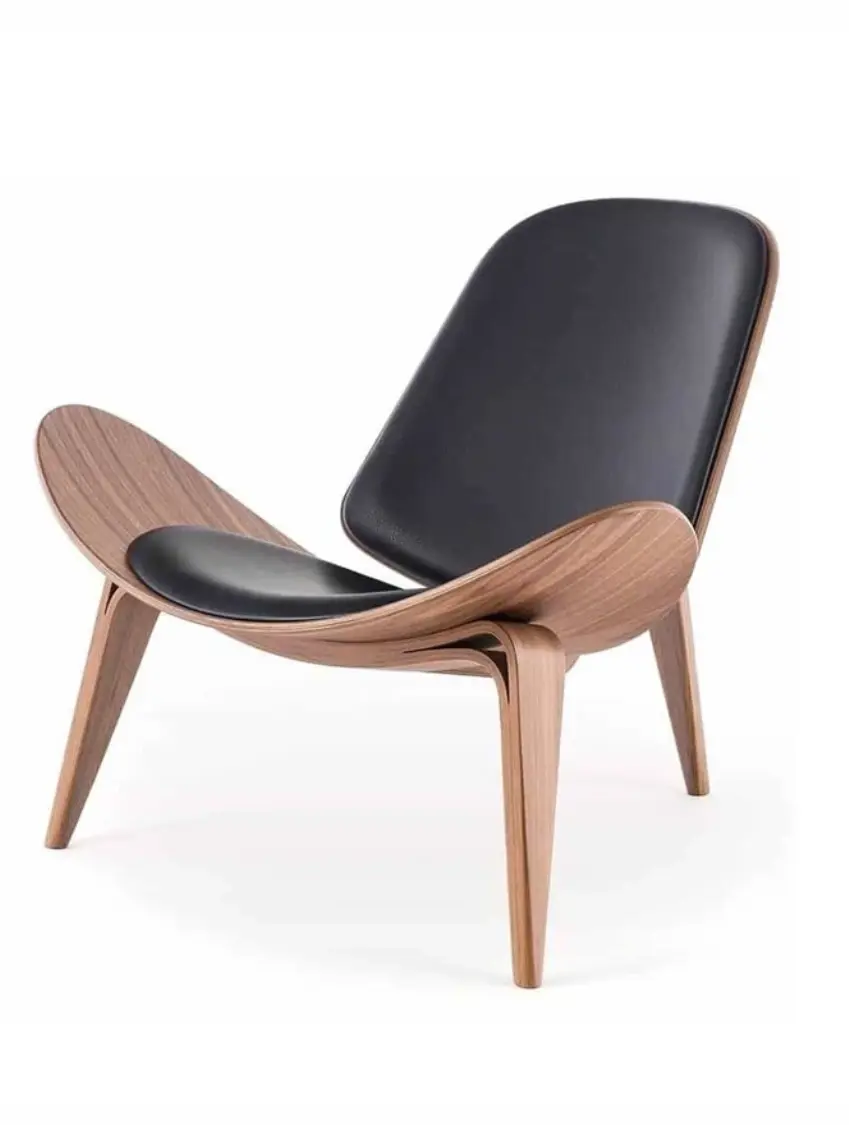
Designed in 1963, the Shell Chair is one of the purest expressions of Scandinavian design.
Wegner, deeply connected to woodworking, created a piece where technique and sculpture come together. Its visual lightness contrasts with the striking presence of its organic curves.
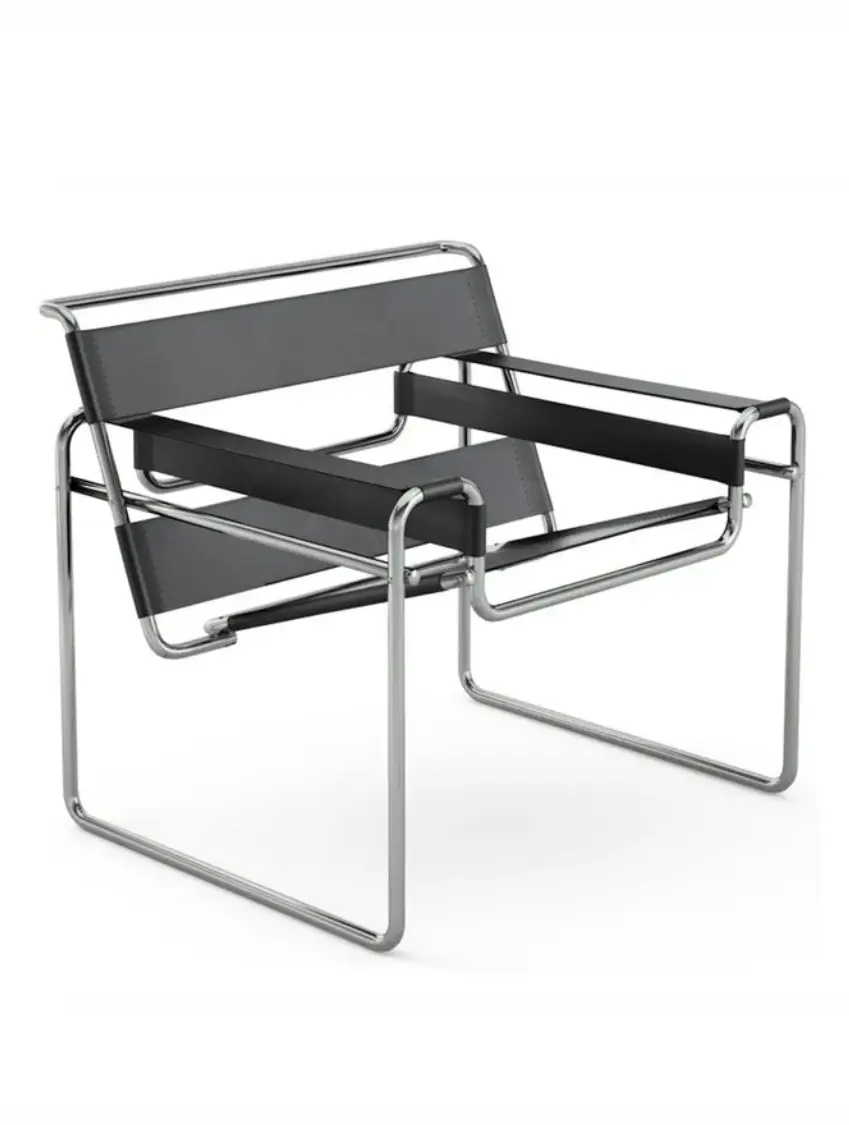
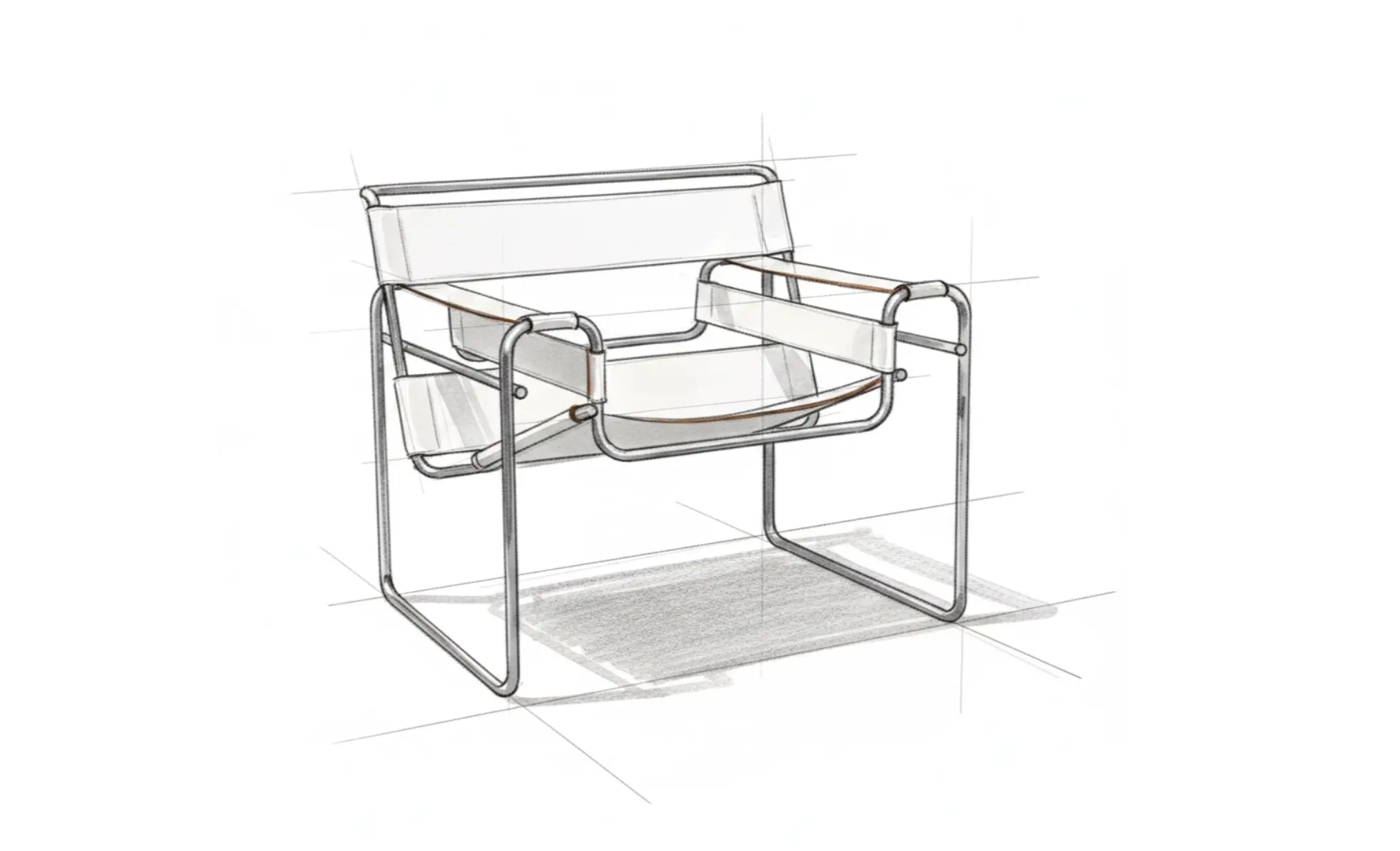
Created in 1925 within the Bauhaus movement, this chair marks a turning point.
Breuer introduced tubular steel to furniture design, creating an industrial aesthetic that remains strikingly contemporary.
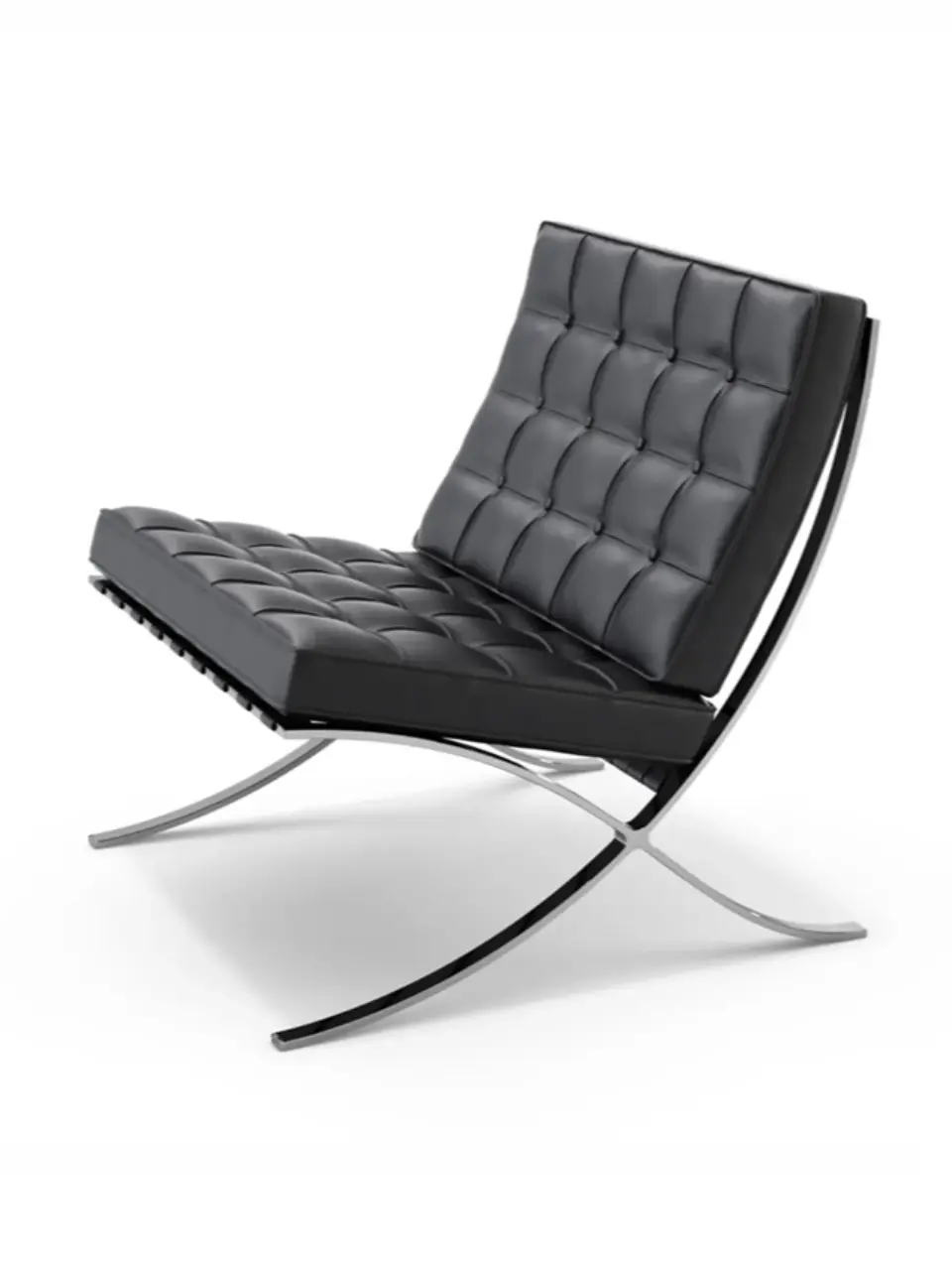
Designed in 1929, this piece is a testament to the “less is more” philosophy.
The steel frame and leather upholstery exude precision and elegance.
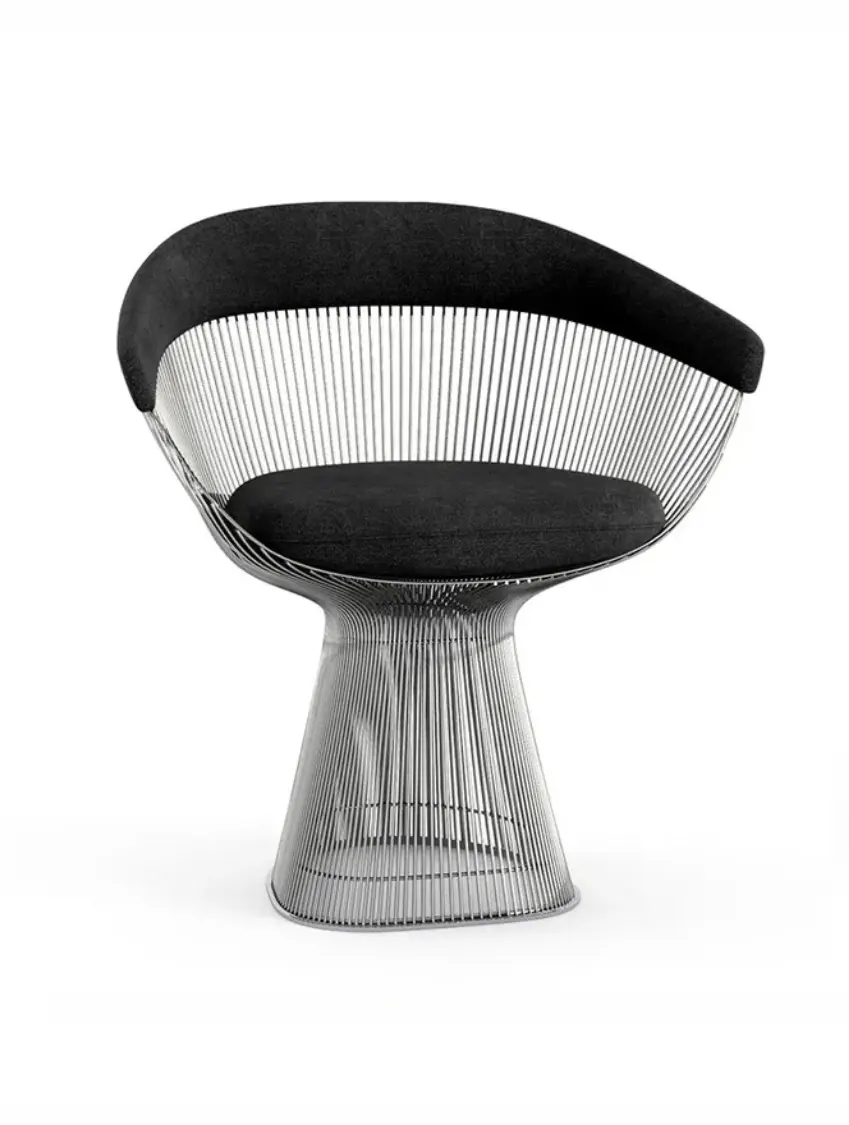
Founded in 1966, Platner transforms structure into ornamentation.
The metal rods create an ever-changing interplay of light and shadow.
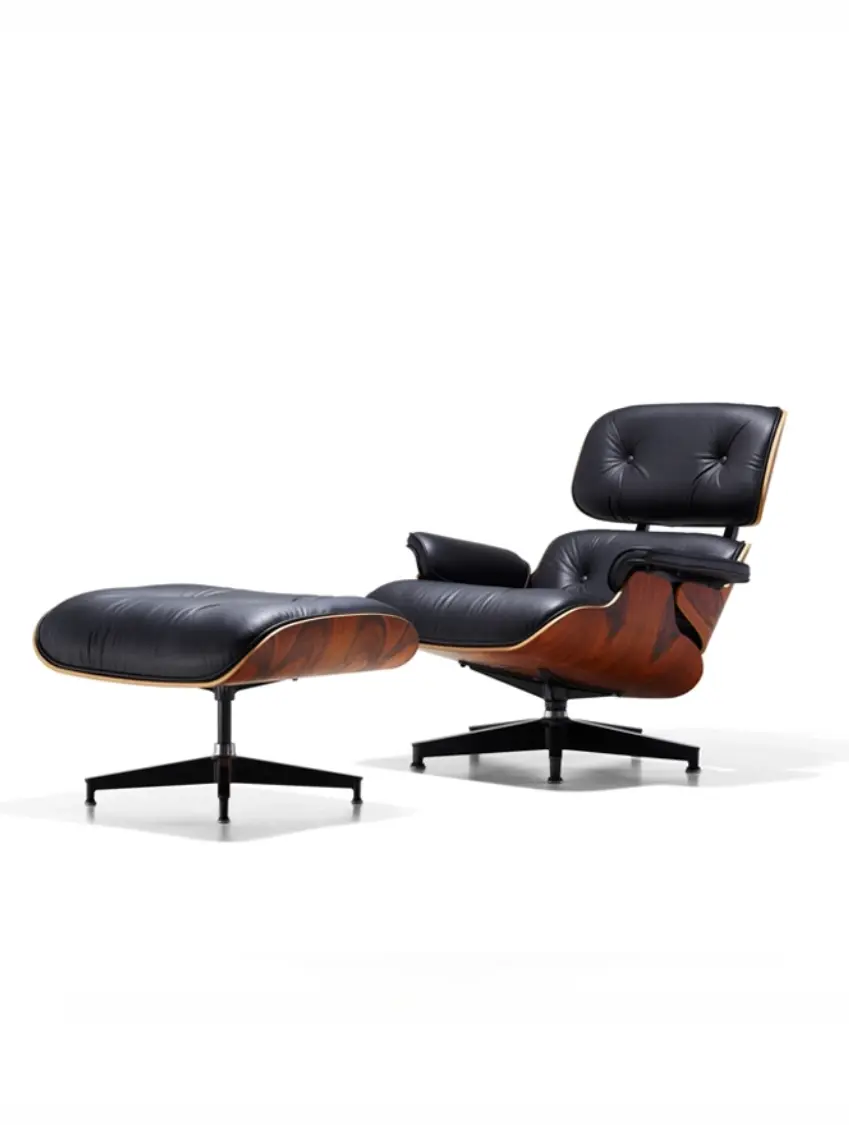
Launched in 1956, it redefines comfort in modern design.
The combination of molded wood and leather creates a warm and sophisticated atmosphere.
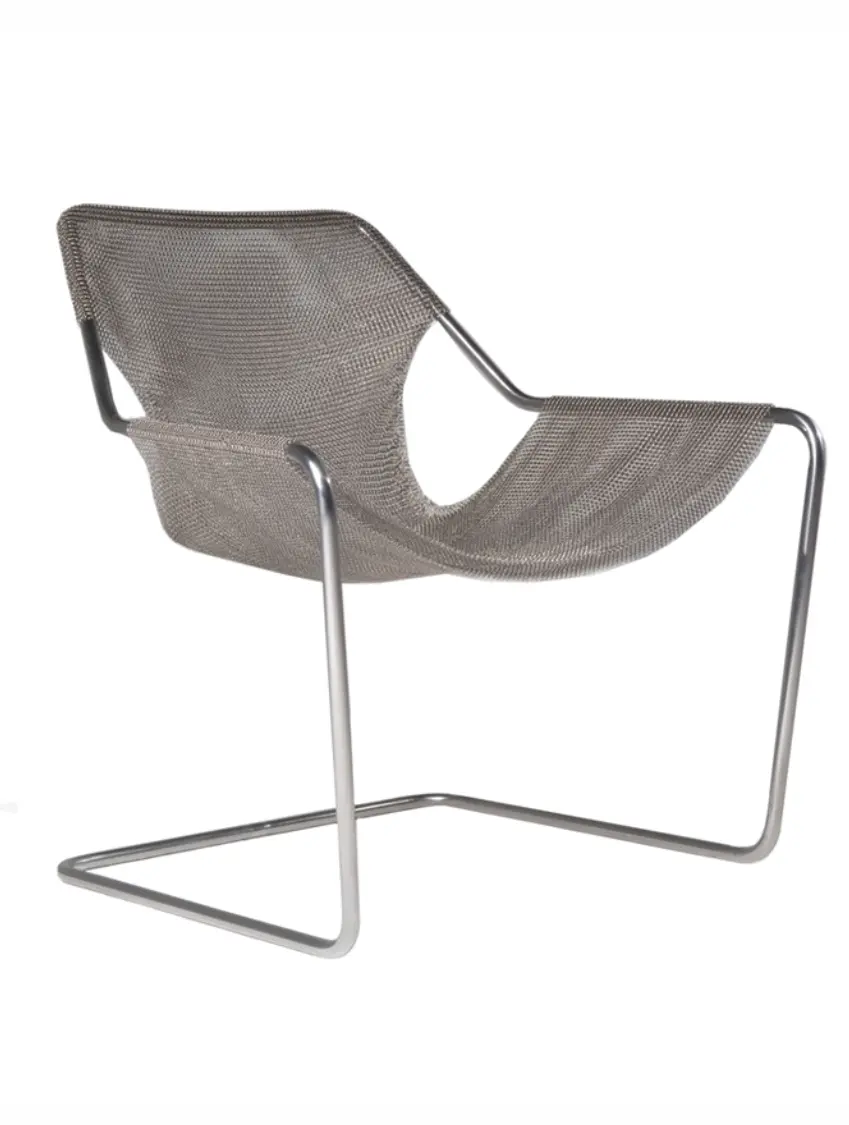
Designed in 1957, it is an exercise in stripping things down to the essentials.
A continuous structure and a single leather surface—nothing is left over.
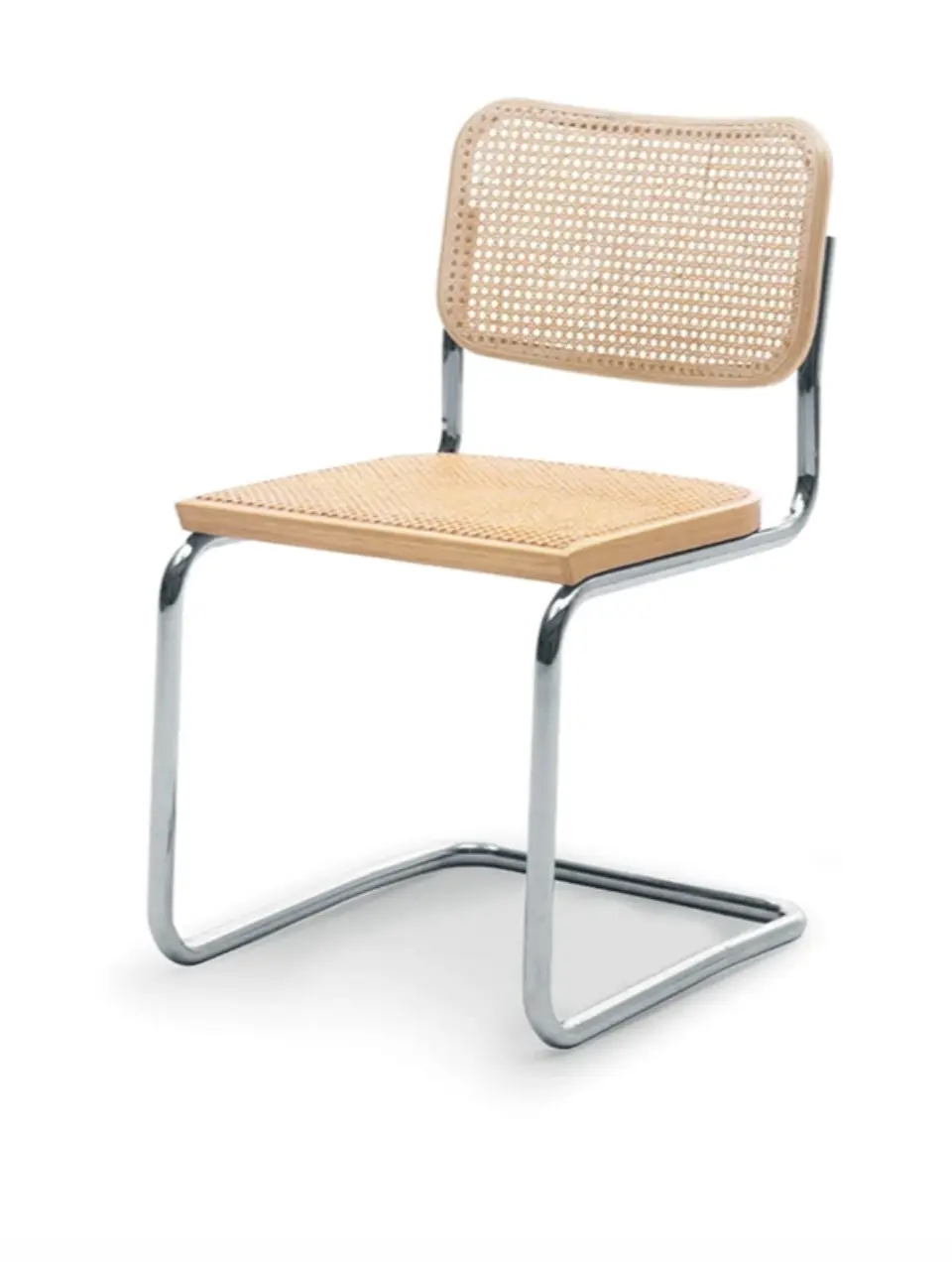
Founded in 1928, it blends industrial design with craftsmanship.
Tubular steel meets straw, creating a sense of lightness and texture.
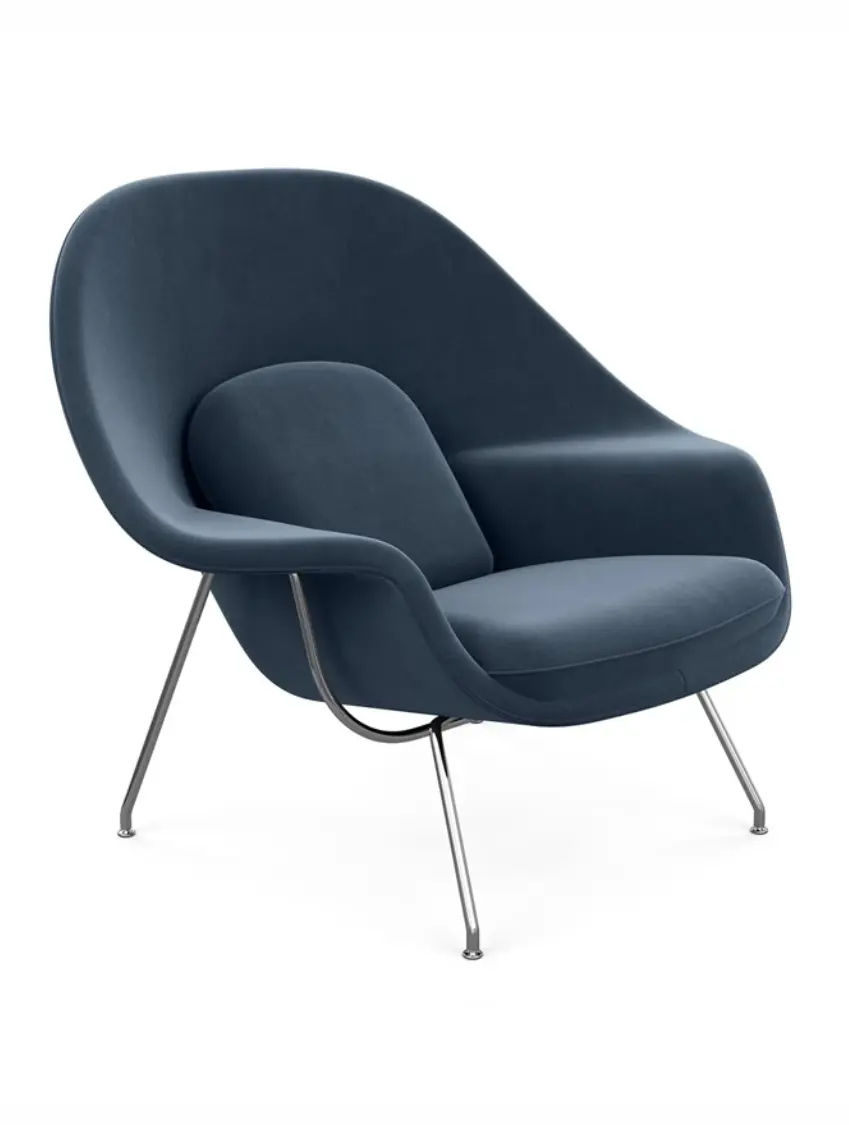
Introduced in 1948, it was inspired by the concept of emotional comfort.
Its enveloping shape conveys a sense of protection and warmth.
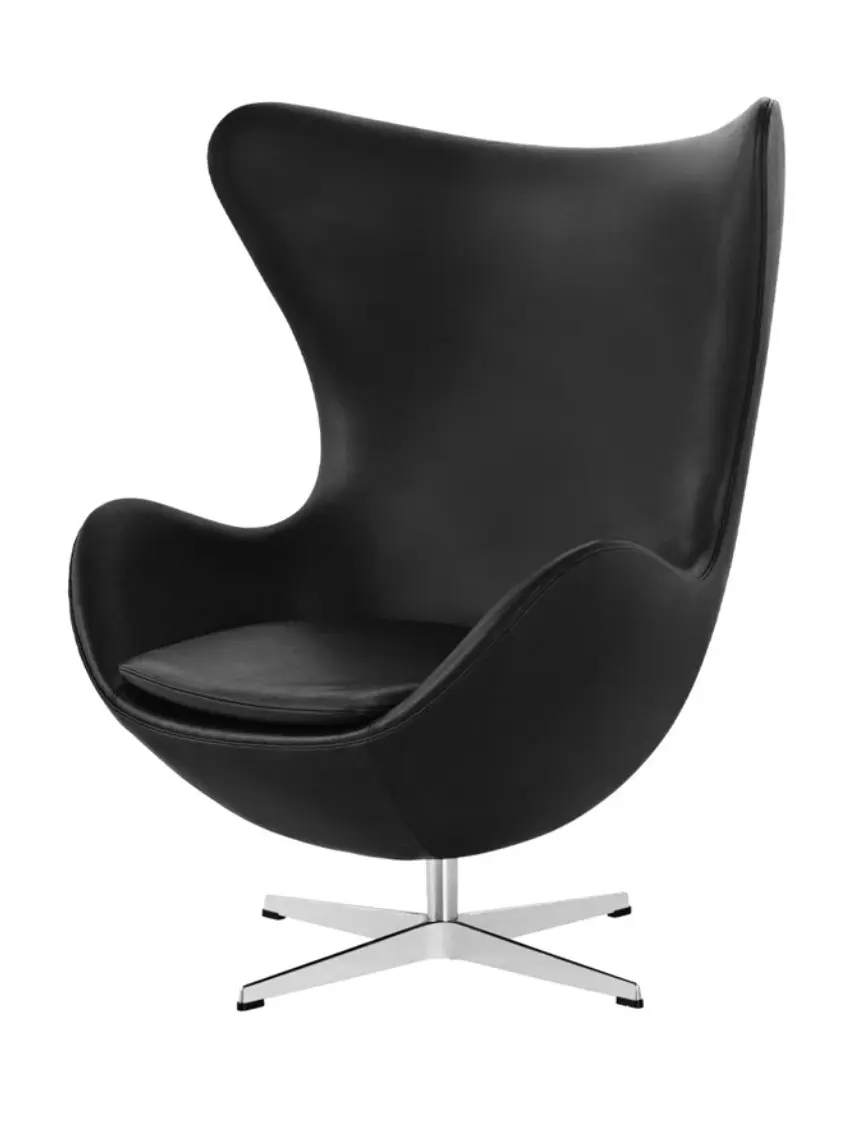
Designed in 1958, it is an absolute design icon.
Its shape creates a cozy retreat within the space.
Spacious areas
Hotels
Spaces with high ceilings
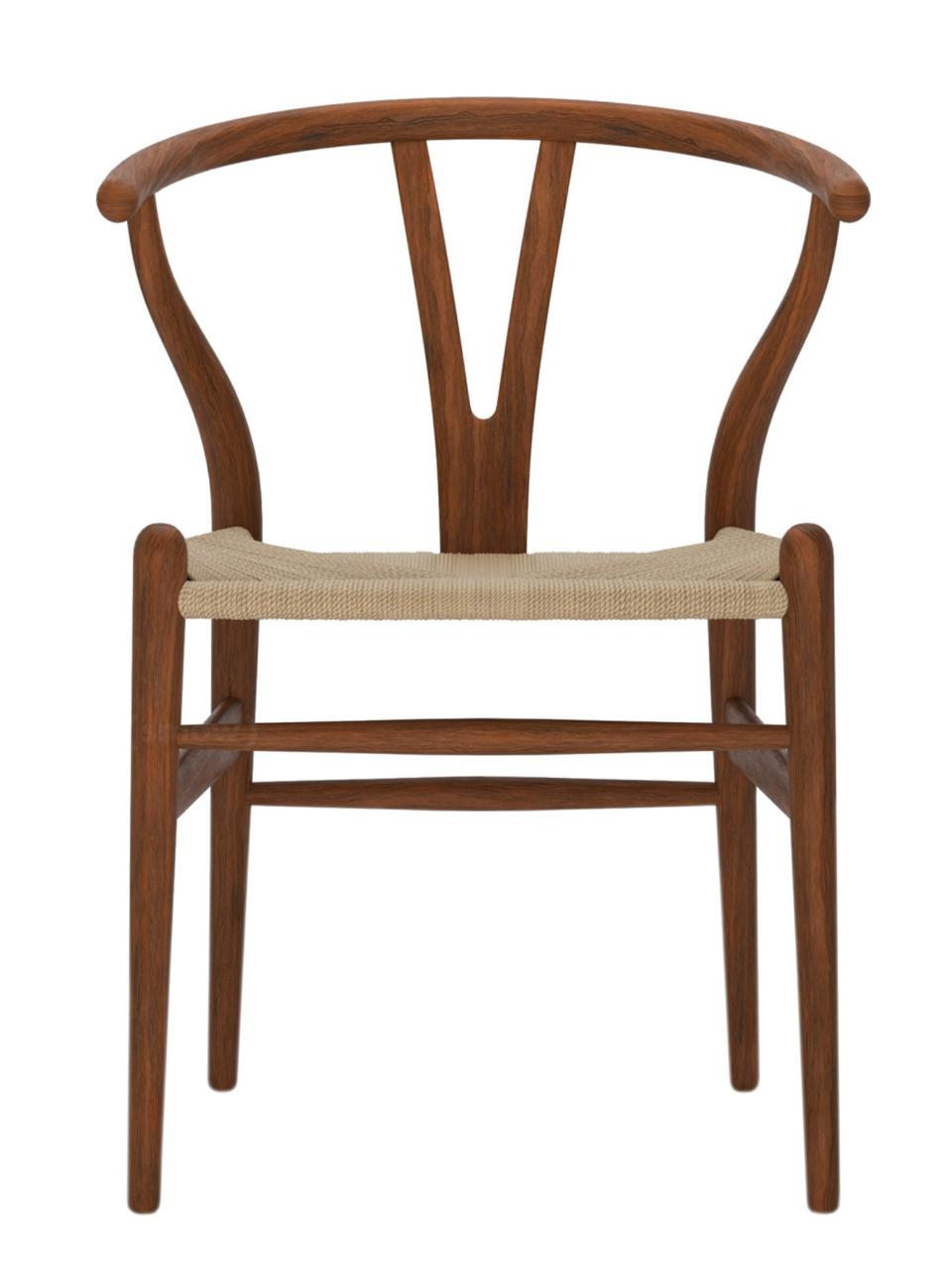
Created in 1949, it is one of the most iconic chairs in Danish design.
Its lightweight frame and handcrafted seat make it extremely versatile.
There is a common thread running through all these pieces: they were not designed to make an immediate impression, but to stand the test of time.
In contemporary interior design, they remain relevant because:
When I introduce one of these chairs into an interior design project, I’m integrating more than just form—I’m integrating a narrative.
Will the chair be used daily or is it purely decorative?
Proportion in relation to the space is essential.
Each material conveys a different feel.
The piece should complement the rest of the space.
In interior design, luxury isn’t about excess—it’s about making the right choice.
A single chair can completely transform a space. Whether it’s the focal point or an accent piece, it makes all the difference.
And often, that choice starts with a chair.
Combinação de inovação, estética, função e impacto ao longo do tempo.
Yes—they are durable pieces that enhance any space.
Yes. Mixing styles creates contrast and visual richness.