In contemporary interior design, one of the most common questions clients ask is: is it better to invest in natural materials or opt for ceramics that mimic them? There is no one-size-fits-all answer—it depends on the type of project, the budget, the lifestyle, and the desired aesthetic outcome.
With over 20 years of experience in interior architecture and interior remodeling, at Margarida Bugarim Interiores we have worked with both types of solutions: from natural marble in luxury projects to large ceramic slabs in contemporary renovations with a more limited budget. The truth is that both the original materials and their ceramic versions have advantages and disadvantages—and knowing how to choose makes all the difference in the final result.
In this article, we explain the differences between natural stone and ceramic, natural wood and ceramic flooring, wood decks and ceramic decks, as well as the eternal dilemma between microcement and microcement-effect ceramic.
Natural stone remains a symbol of sophistication and exclusivity in luxury interior design. Marble, travertine, limestone, and granite offer depth, texture, and authenticity that cannot be replicated 100%.
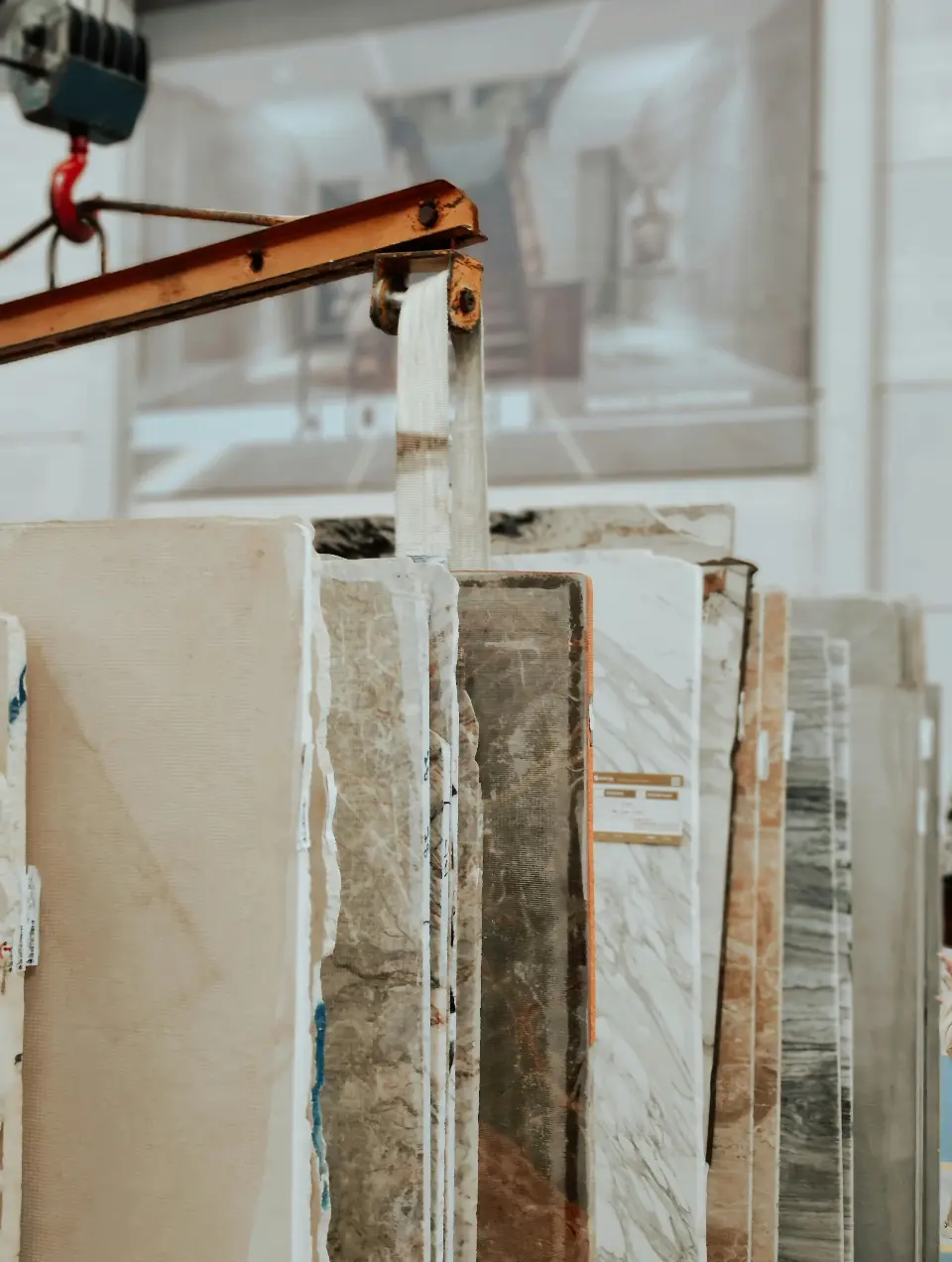
In premium projects, boutique hotels, or luxury homes, natural stone remains the most sought-after choice. Genuine marble features veins, translucency, and subtle variations that enrich the visual appeal of a space.
In interior renovations, especially in older apartments, the weight of natural stone can pose a technical challenge. Additionally, some clients seek more practical solutions for everyday use.
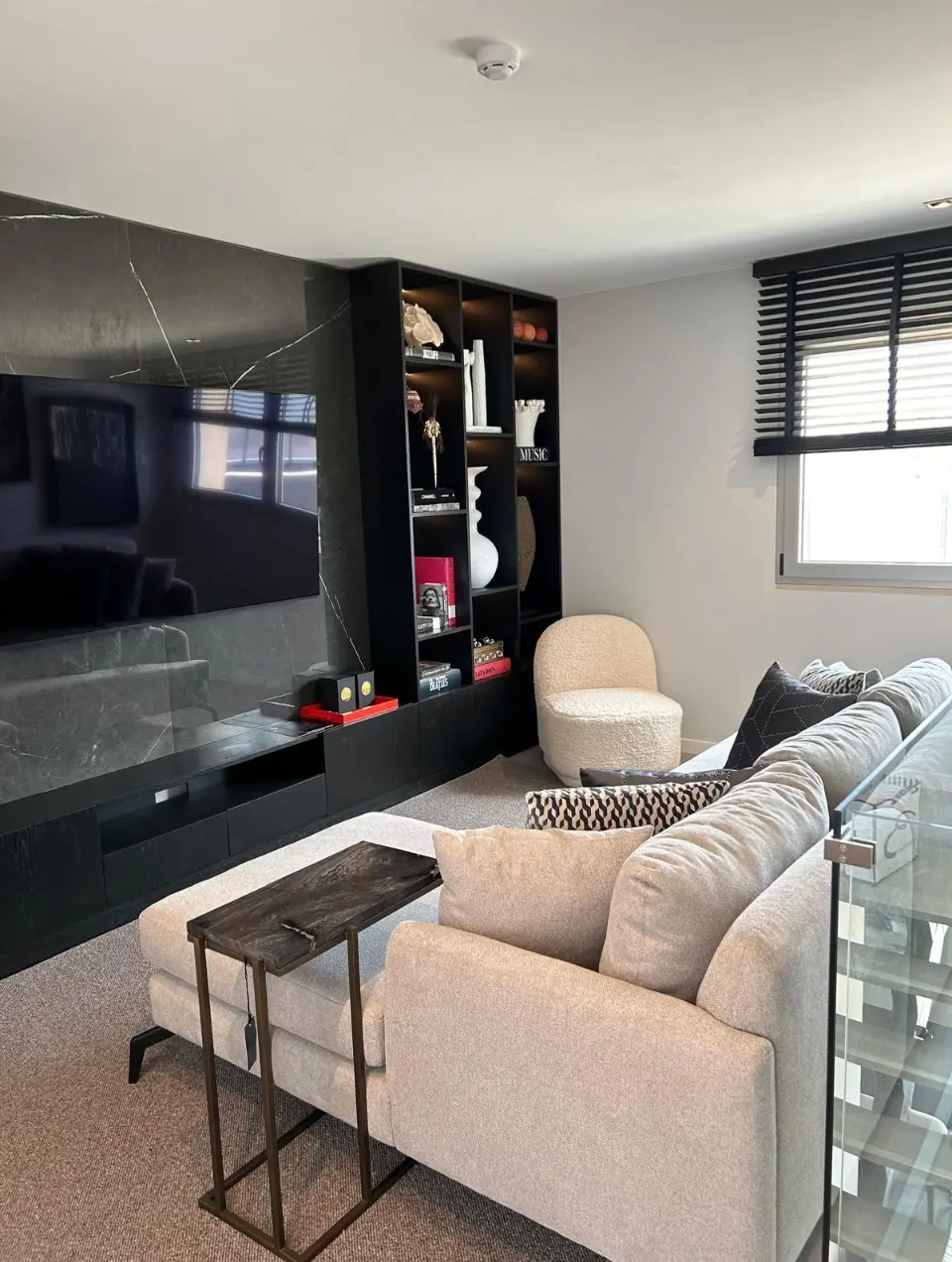
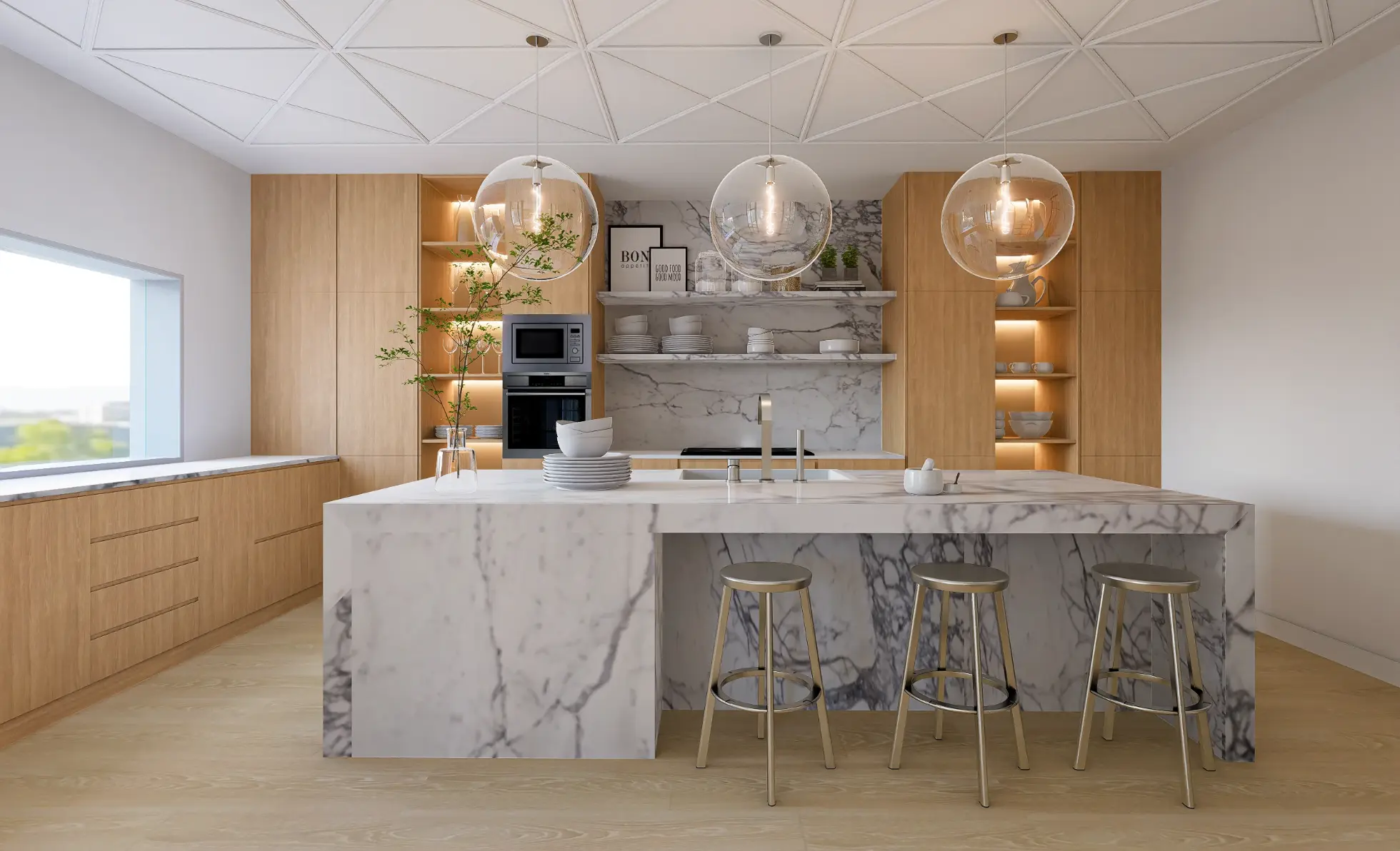
Ceramic tiles have evolved significantly in recent years. Today, there are large-format porcelain tiles—including slabs up to 3 meters wide—with extremely realistic finishes. The main advantages are:
In many interior remodeling projects, we’ve been able to create sophisticated spaces using premium porcelain tiles that replicate marble or natural stone with stunning visual results.
In practice, there is no universally “best” solution.
Natural stone is typically preferable for:
Luxury residential projects
Luxury commercial or corporate spaces
Clients who value authenticity
Ceramic tiles are often more advantageous for:
Budget-conscious renovations
High-traffic areas
Minimalist contemporary projects
The flooring is one of the elements that most influences the comfort and perceived quality of a space.
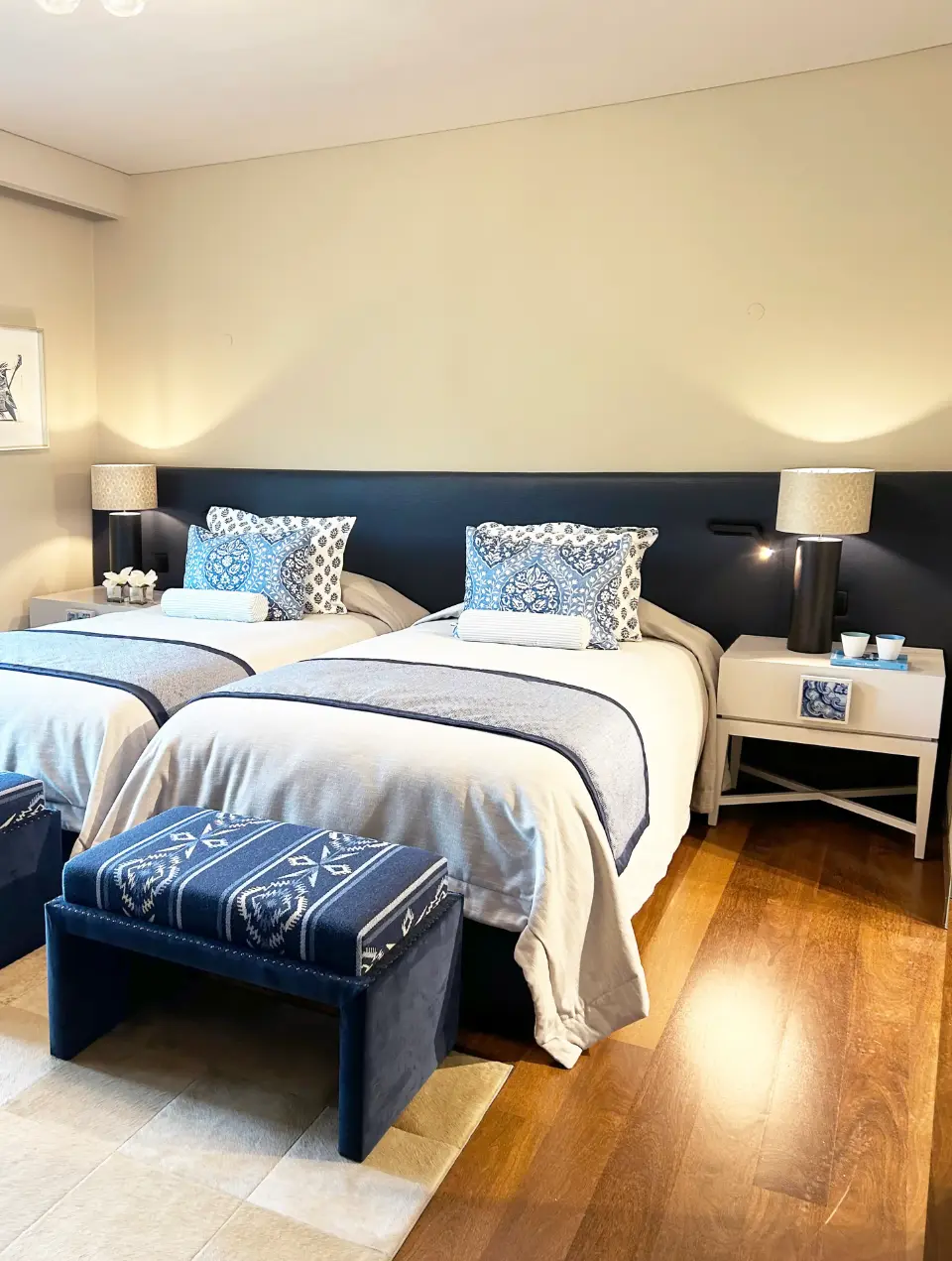
Natural wood conveys warmth, comfort, and authenticity like few other materials can.
Key advantages:
A welcoming feel
Thermal comfort
Natural elegance
Enhanced aesthetics
A living, sophisticated material
In luxury interior design projects, natural wood remains virtually irreplaceable in bedrooms, living rooms, and social areas.
Sensitive to water and moisture
Can scratch easily
Requires periodic maintenance
High cost for hardwoods
Lower durability in homes with pets or children
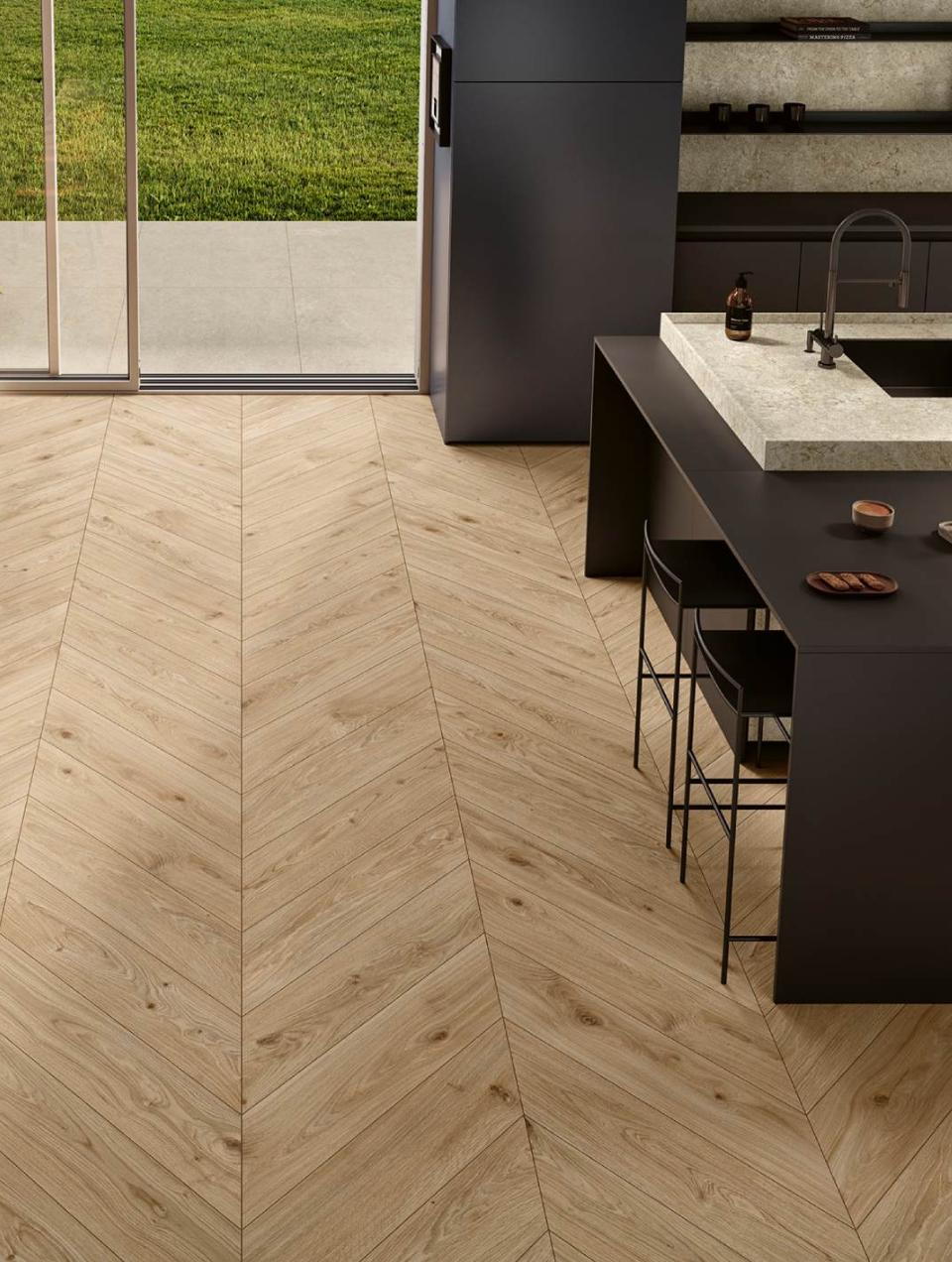
Today, there are porcelain tiles that replicate wood with remarkable visual and tactile realism.
The advantages include:
In many interior remodeling projects, especially for clients seeking practicality, wood-effect ceramic flooring often proves to be the ideal solution.
Often, the best solution is to combine materials:
Natural wood in living areas and bedrooms
Wood-effect ceramic tiles in kitchens, laundry rooms, and bathrooms.
Good interior design depends not only on aesthetics—it also depends on the functionality and durability of the space.
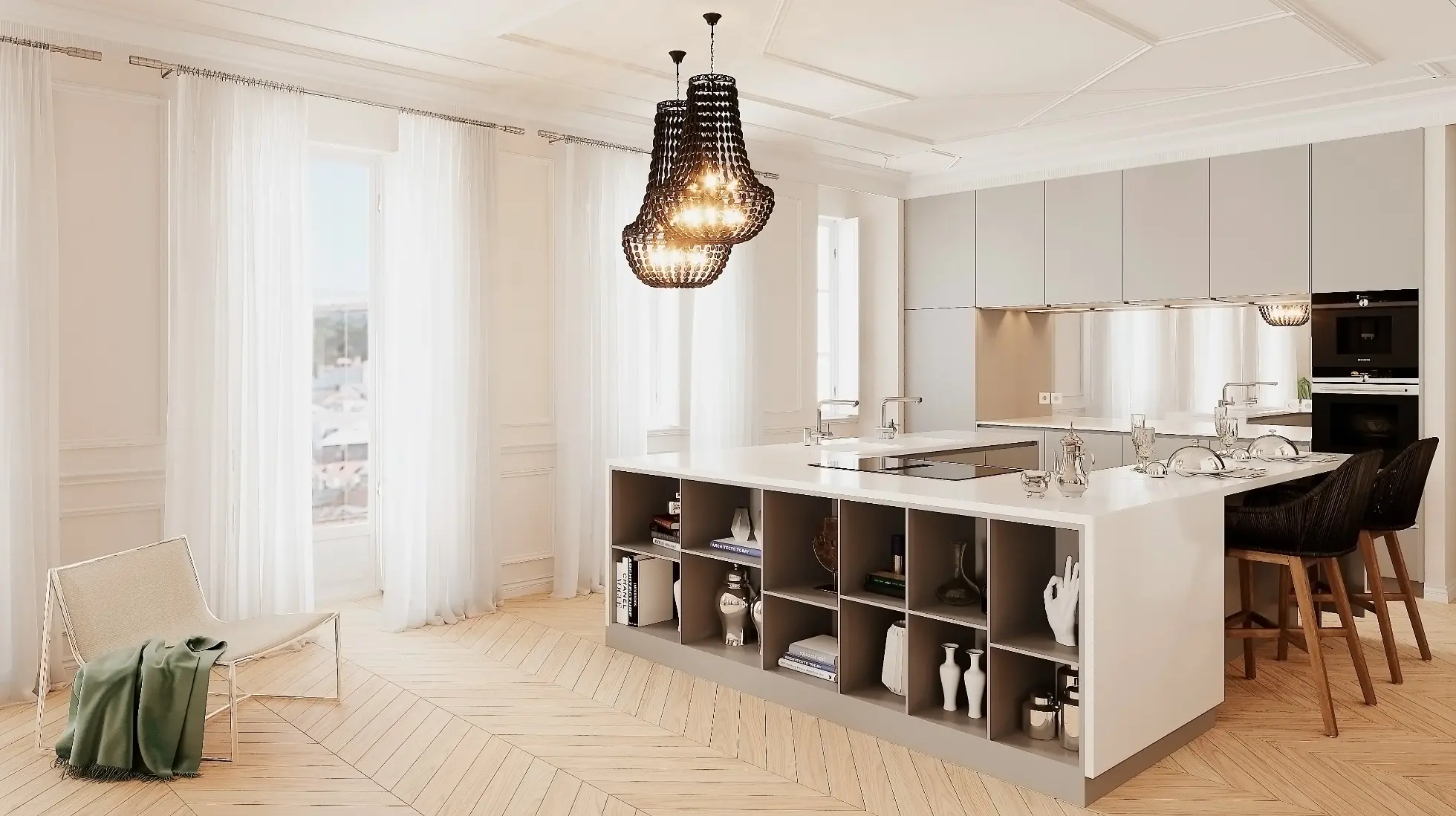
Outdoor spaces have become an extension of the home, especially in contemporary designs.
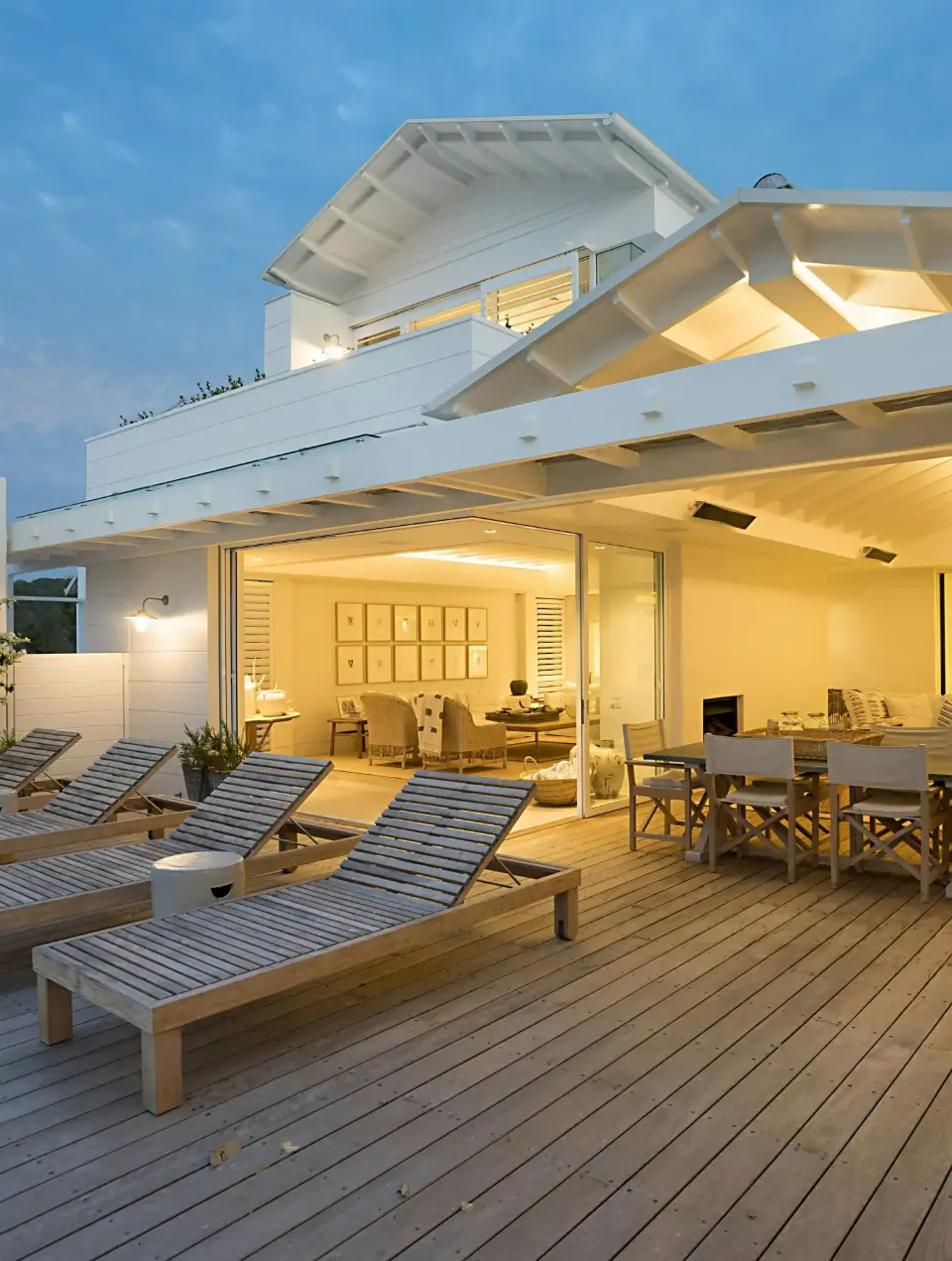
Natural wood decking continues to offer a beauty that is hard to match.
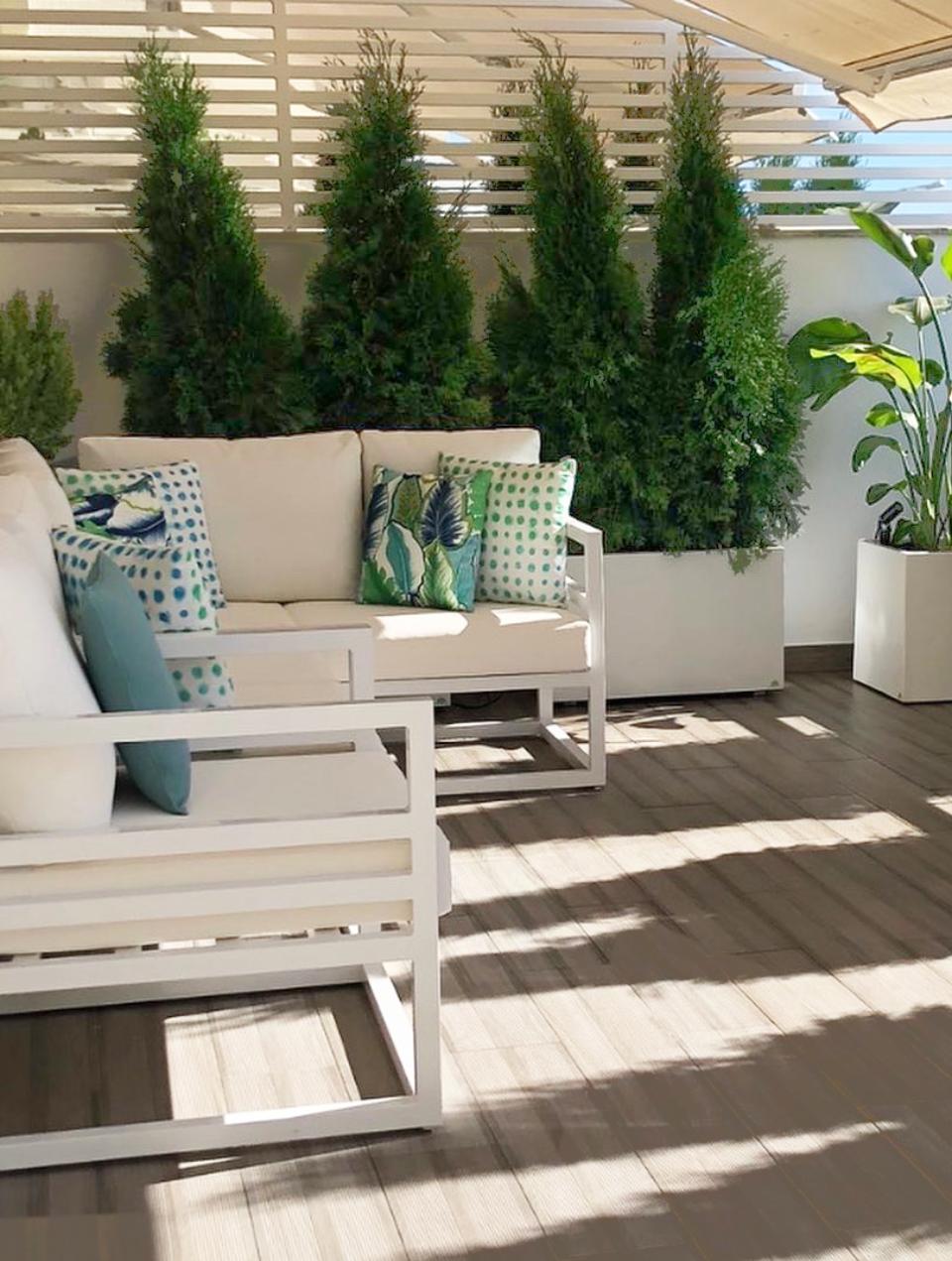
Ceramic decking has gained enormous popularity in recent years.
Advantages
Disadvantages
In outdoor renovations, especially in pool areas, ceramic decking is often the most efficient option in terms of maintenance and cost-effectiveness.
Microcement has become a major trend in contemporary interior design thanks to its seamless, minimalist look.
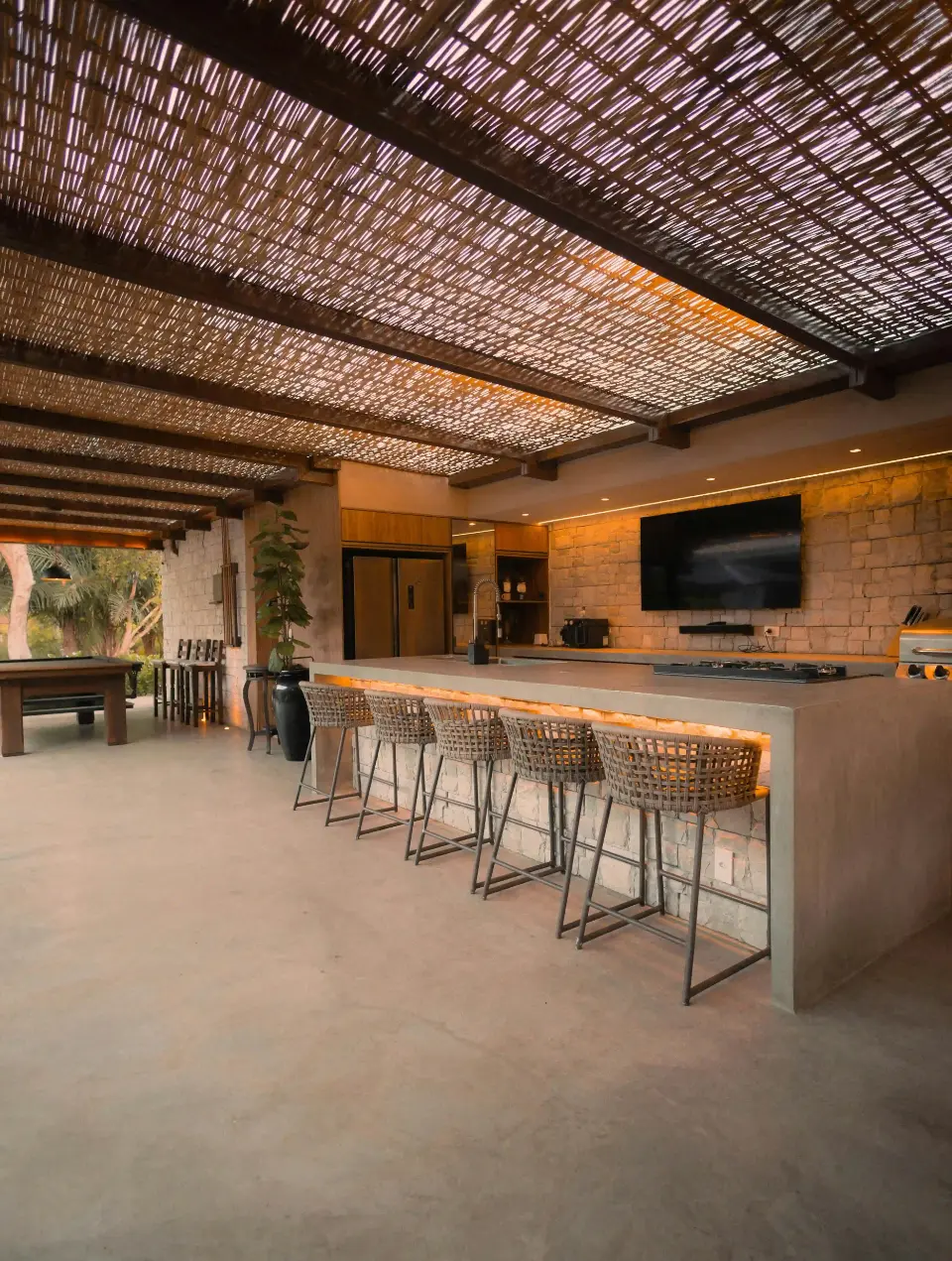
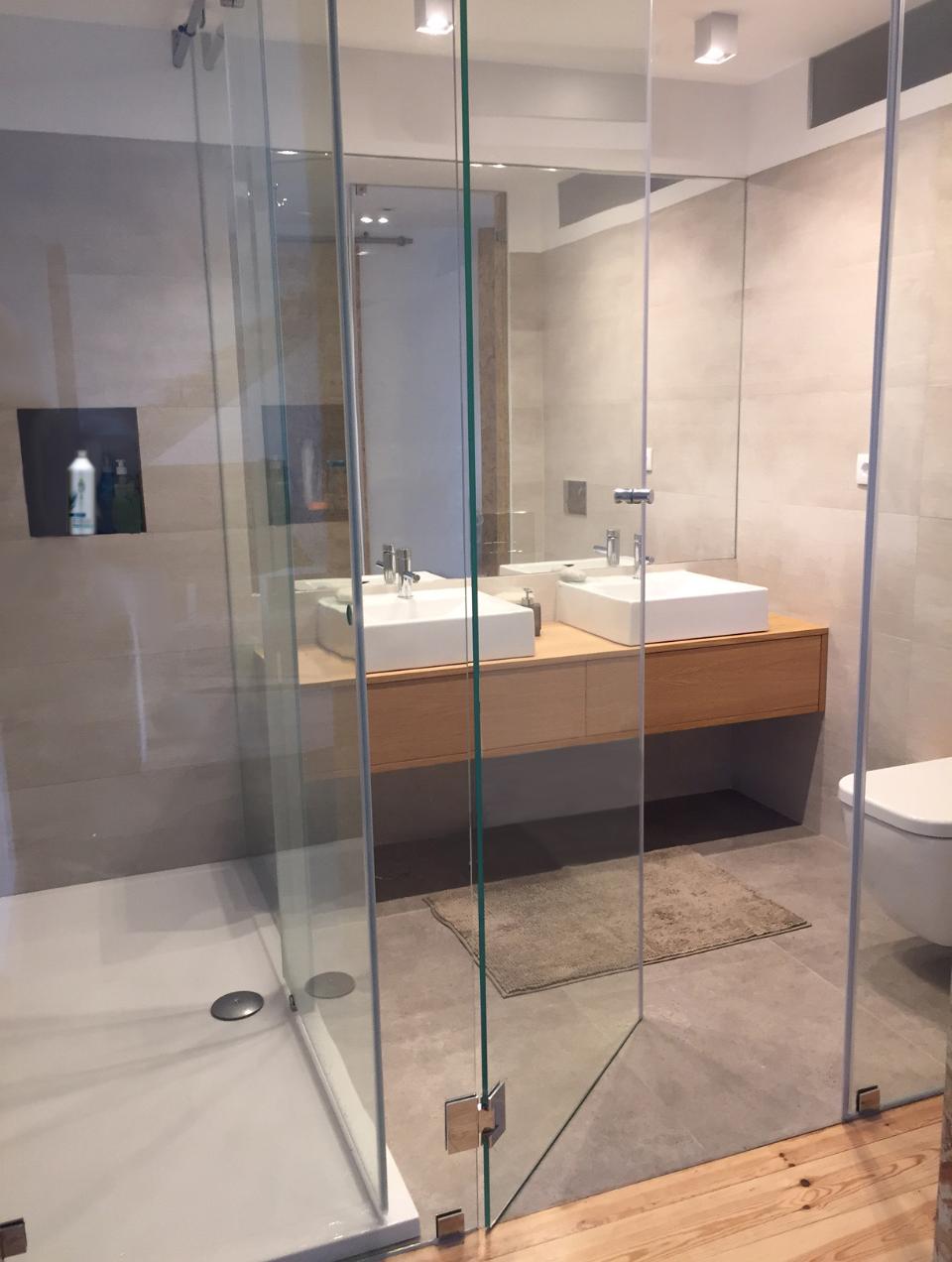
Today, there are porcelain tiles with an extremely realistic microcement appearance.
In interior remodeling projects, we often use microcement-effect porcelain tiles to achieve the desired contemporary aesthetic with greater durability and lower maintenance.
The best choice always depends on the balance between:
In interior architecture, we don’t believe in “right” or “wrong” solutions. We believe in solutions tailored to each project.
There are projects where natural stone, solid wood, or microcement make perfect sense. And there are renovations where state-of-the-art ceramic tiles allow for visually stunning results with more controlled costs and much simpler maintenance.
The most important thing is to make informed, technical choices that align with how the space will be used.
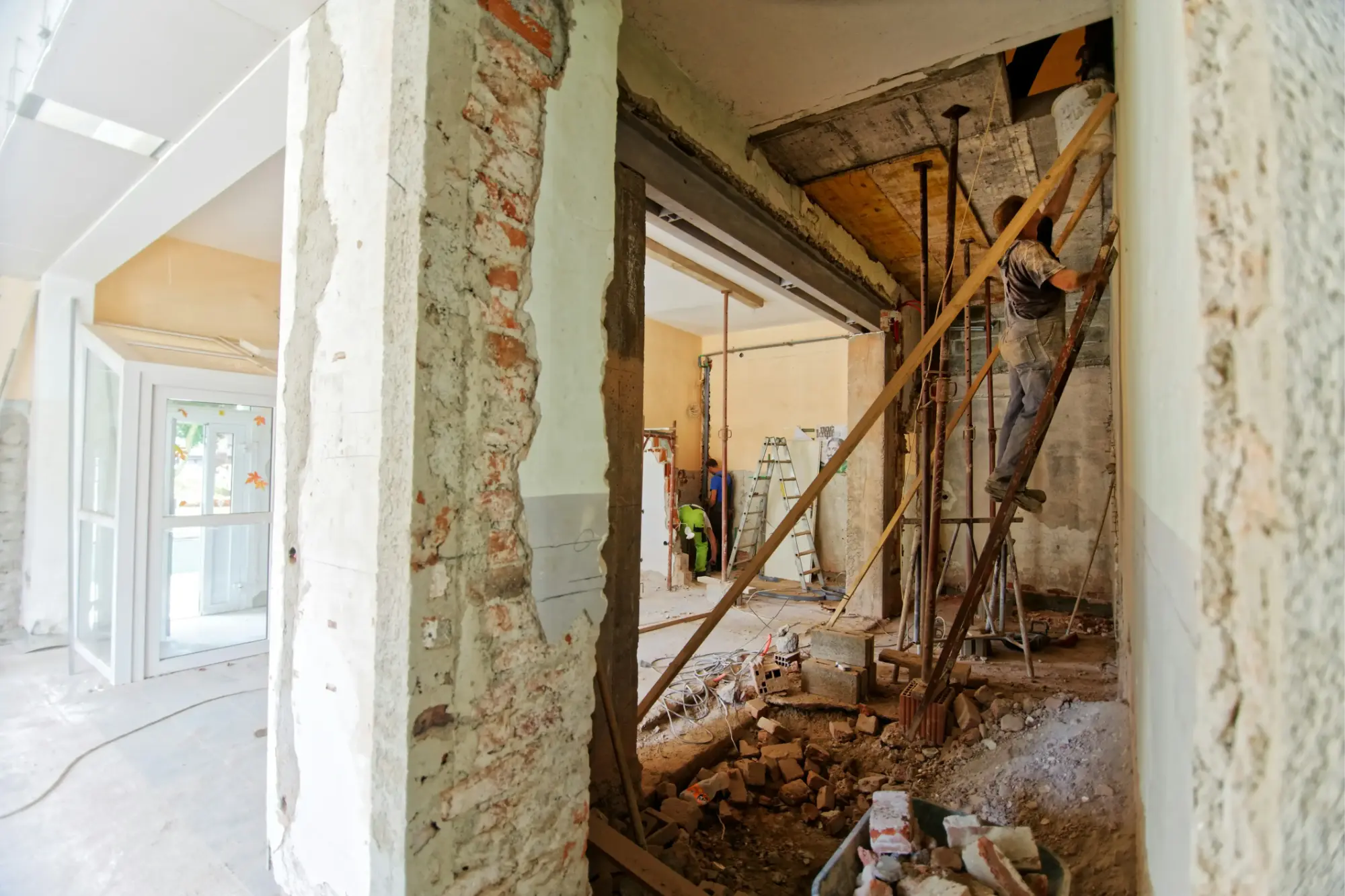
At Margarida Bugarim Interiores, we have been developing comprehensive interior architecture and renovation projects for over two decades.
We oversee every phase of the project:
We work on luxury interior projects using premium natural materials as well as innovative ceramic solutions, helping each client find the ideal balance between aesthetics, functionality, and investment.
If you are planning a renovation or a new interior design project, the choice of materials will be one of the most important decisions for the final result of your home. Contact us and ensure a flawless final result!
The choice depends on your budget, the style of the project, and how the space will be used. Natural stone offers uniqueness, authenticity, and greater aesthetic appeal, and is widely used in luxury interior design projects. Marble-effect ceramic tile, on the other hand, requires less maintenance, is more stain-resistant, and is more affordable.
Yes. Today, there are wood-effect porcelain tiles with finishes that are very realistic, both visually and to the touch. They are an excellent solution for those looking for practicality, durability, and easy maintenance, especially in kitchens, bathrooms, and homes with pets or children. In addition to ceramic tiles, there are currently vinyl flooring options on the market that imitate wood very well and also feel quite comfortable underfoot.
Margarida Bugarim Interiores works with the best suppliers and the latest porcelain tile designs, which are able to reproduce the grain, texture, and tones of natural wood with remarkable accuracy. In contemporary interior design projects, it is often difficult to visually distinguish premium ceramic tiles from real wood.
It depends on the type of stone. Marble, travertine, and limestone require periodic sealing and some specific care to prevent staining or liquid absorption. However, when properly maintained, natural stone can last for decades and significantly increase the property’s value.
Microcement can be an excellent choice for those seeking a minimalist, seamless, and contemporary look. However, it requires highly specialized application and proper maintenance. Margarida Bugarim Interiores supplies and applies microcement, guaranteeing a flawless finish.
Yes. Natural materials such as marble, solid wood, and natural stone enhance the perception of a property's quality and exclusivity, and are particularly valued in luxury interior design projects.
Materials directly influence comfort, durability, maintenance, and the value of a space. The right choice enhances not only the home’s aesthetics but also the daily user experience and the project’s longevity.
Relacionados